Meet your physiological detective.
I read the body like evidence, and follow the clues to where the problem actually lives.
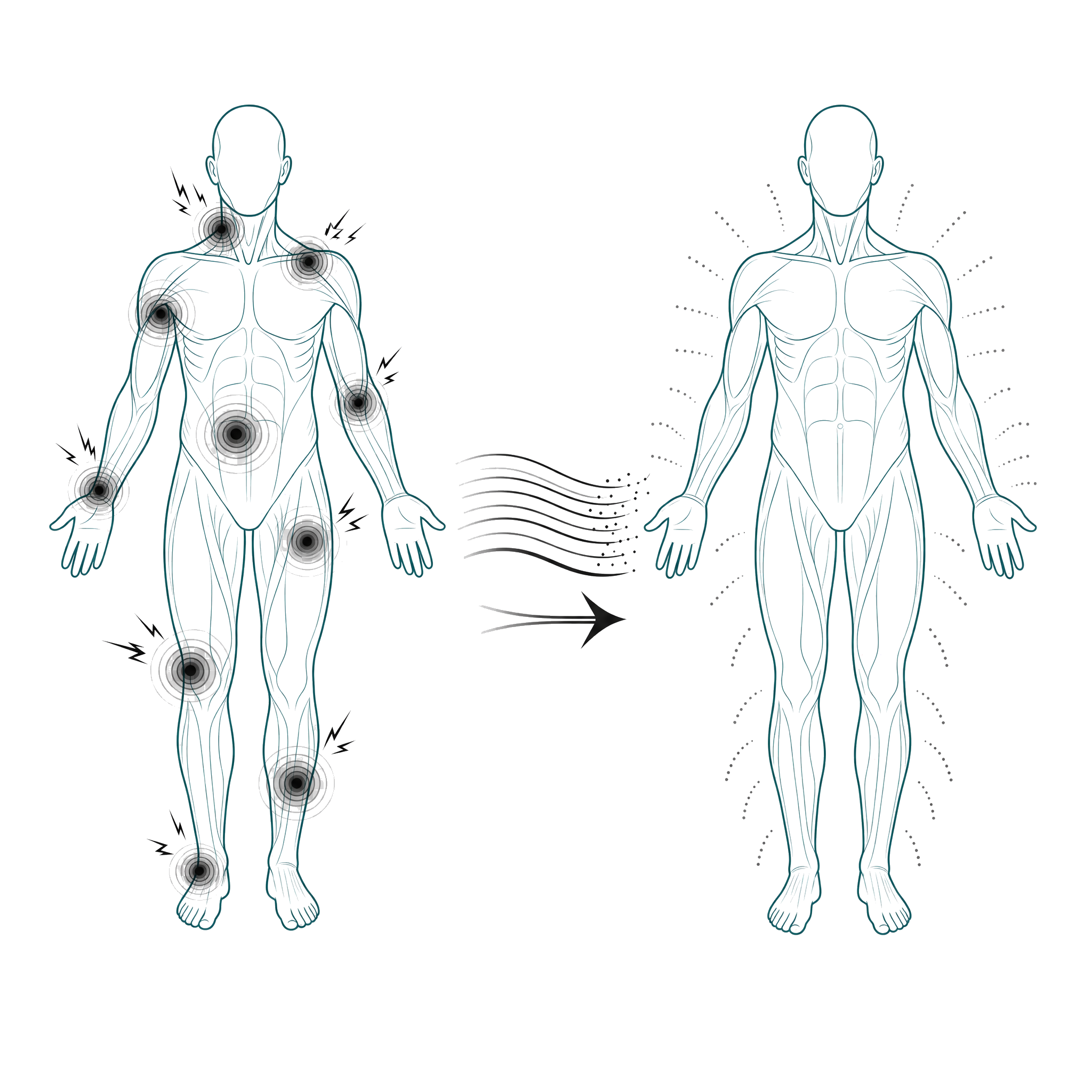
I think of myself as a physiological detective. When you come in with pain, the pain is a witness, not the culprit. My job is to read the whole scene and find where the trouble actually lives.
Reading the evidence
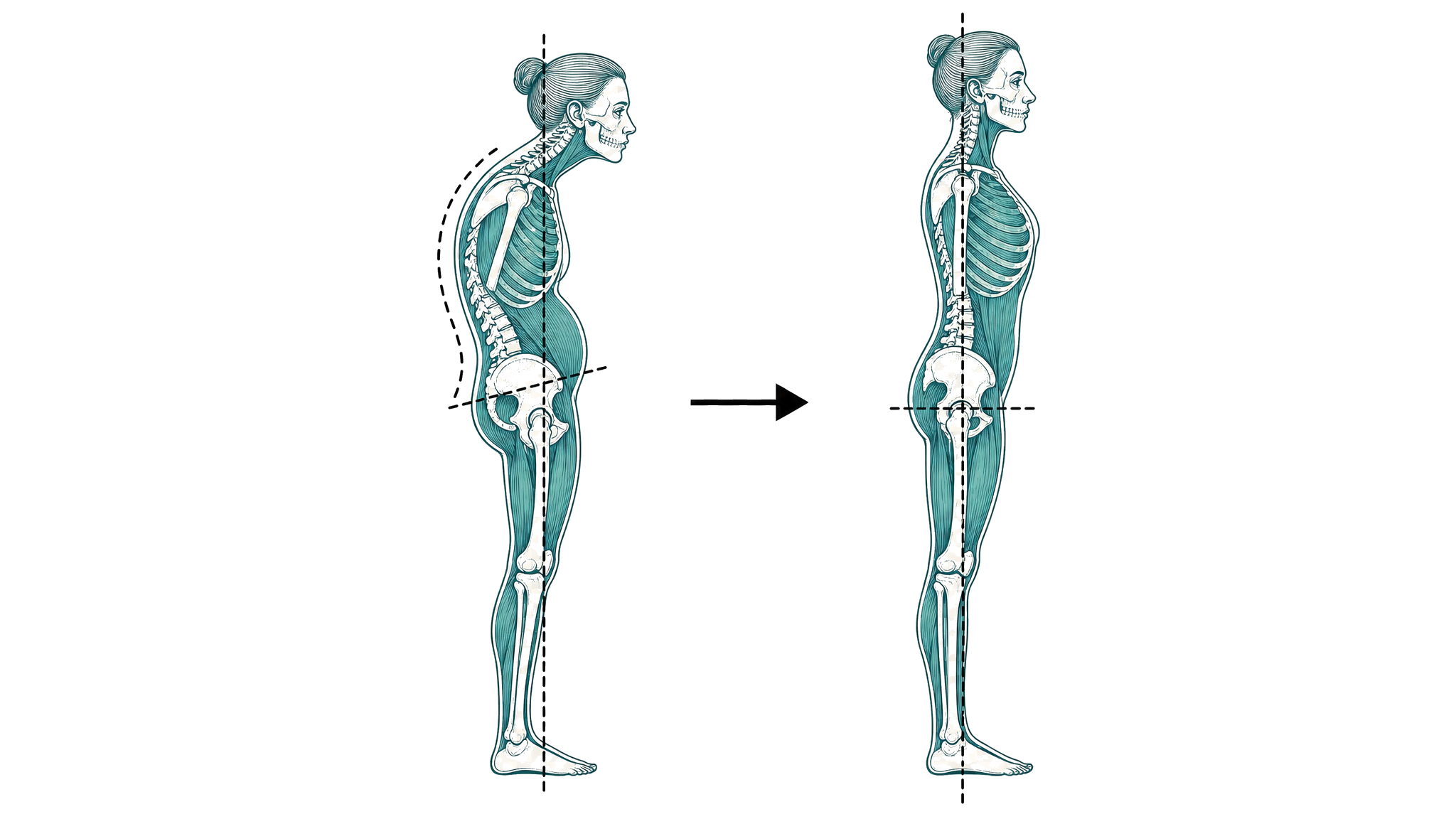
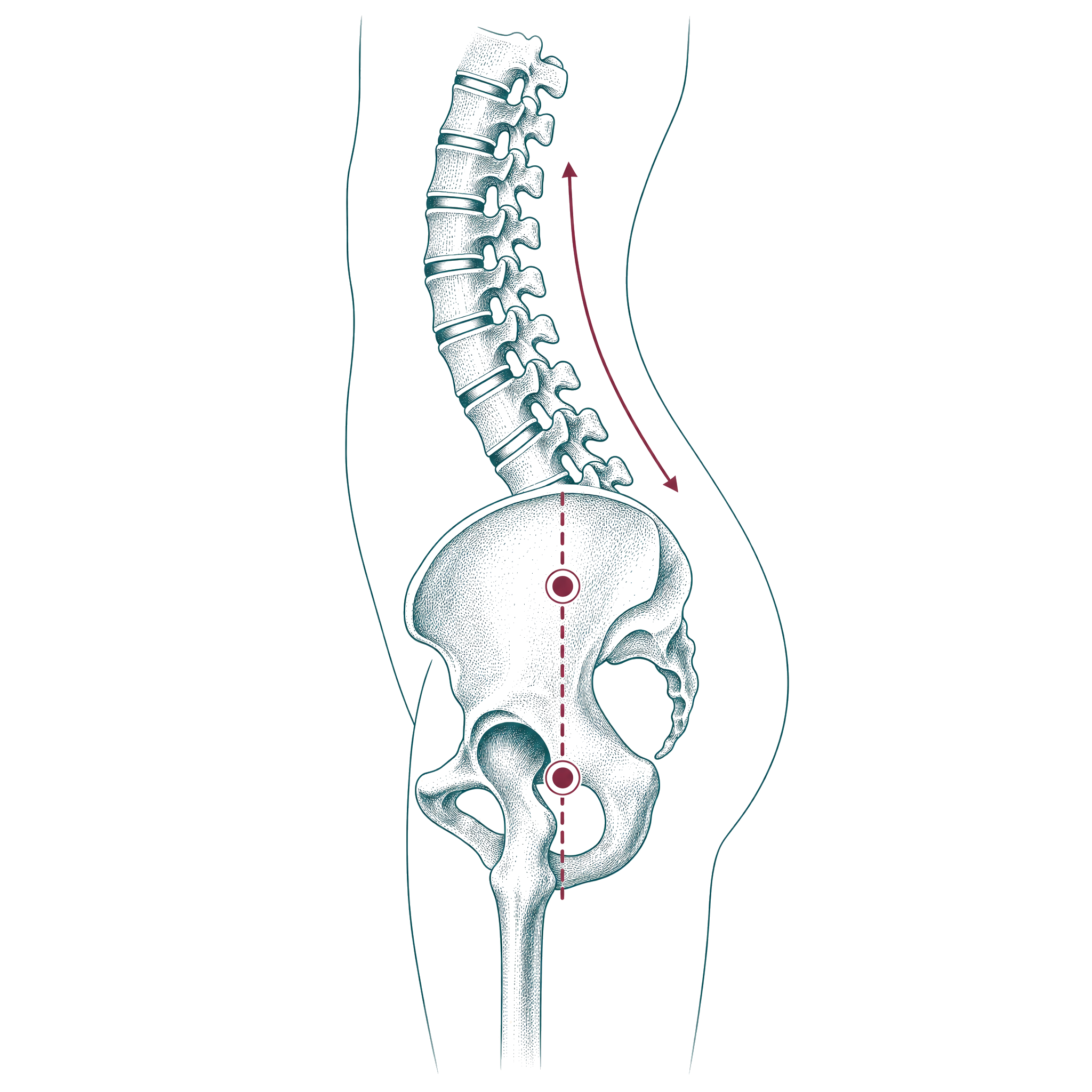
I start by watching how you stand and move. The body tells on itself: a hiked hip, a collapsed front, a shoulder that rides high. These are clues along the fascial lines, and they point toward the pattern holding everything in place.
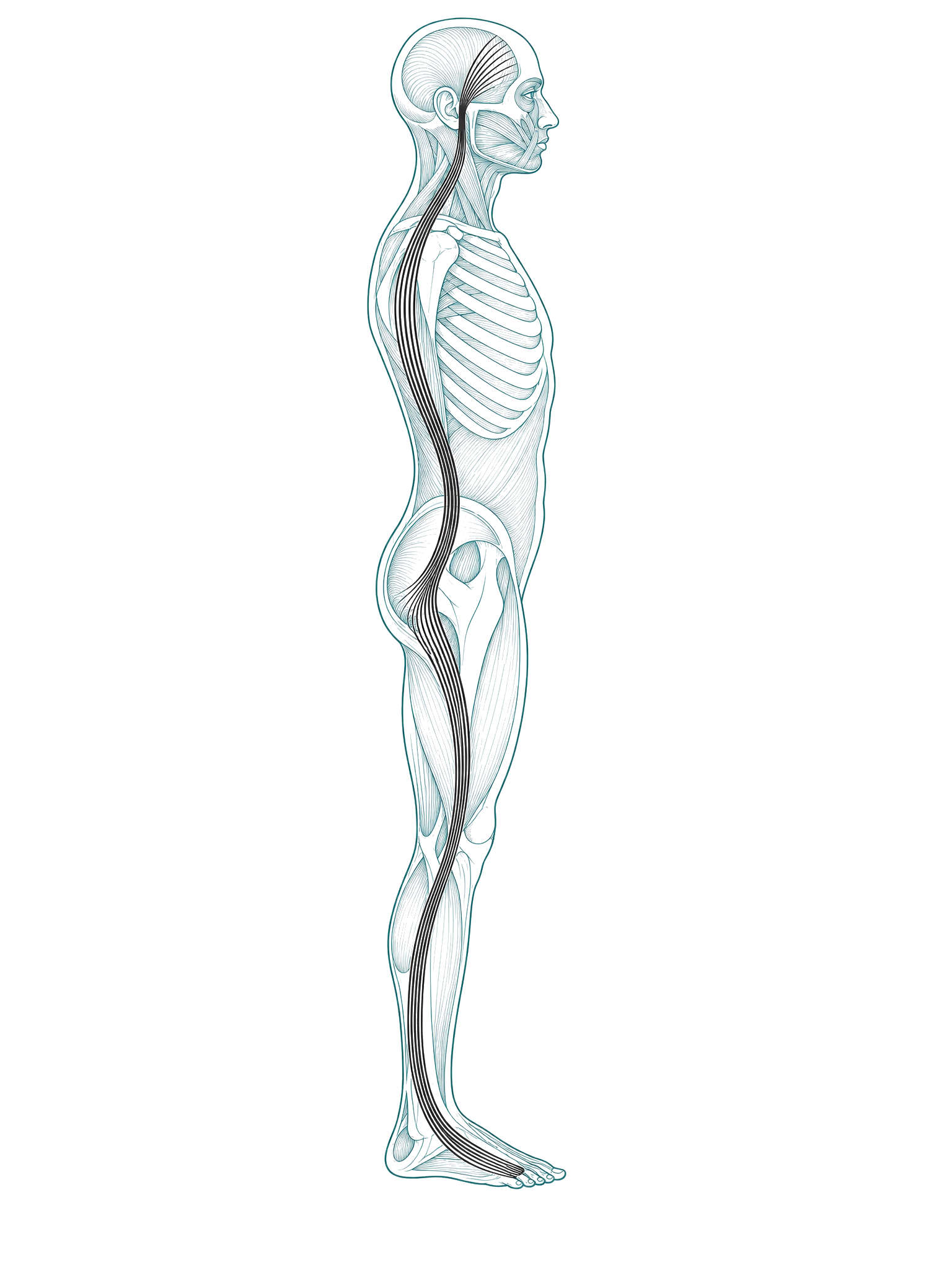
Then I test my read with my hands, releasing where the evidence points and watching how the whole structure responds. If the right thing changes, we are on the trail.
Why it works
Because I am after the cause and not the symptom, the relief tends to stick. We are not silencing the witness. We are solving the case, so the body stops recreating the problem.
The pain is the witness, not the culprit. I follow the clues to where the trouble actually lives.
It is the most satisfying part of the work for me, and the reason people who tried everything else finally get somewhere.
- Pain is a clue, not usually the cause.
- Assessment reads how you stand and move along the fascial lines.
- Hands on work tests and confirms where the pattern lives.
- Solving the cause is what makes relief last.
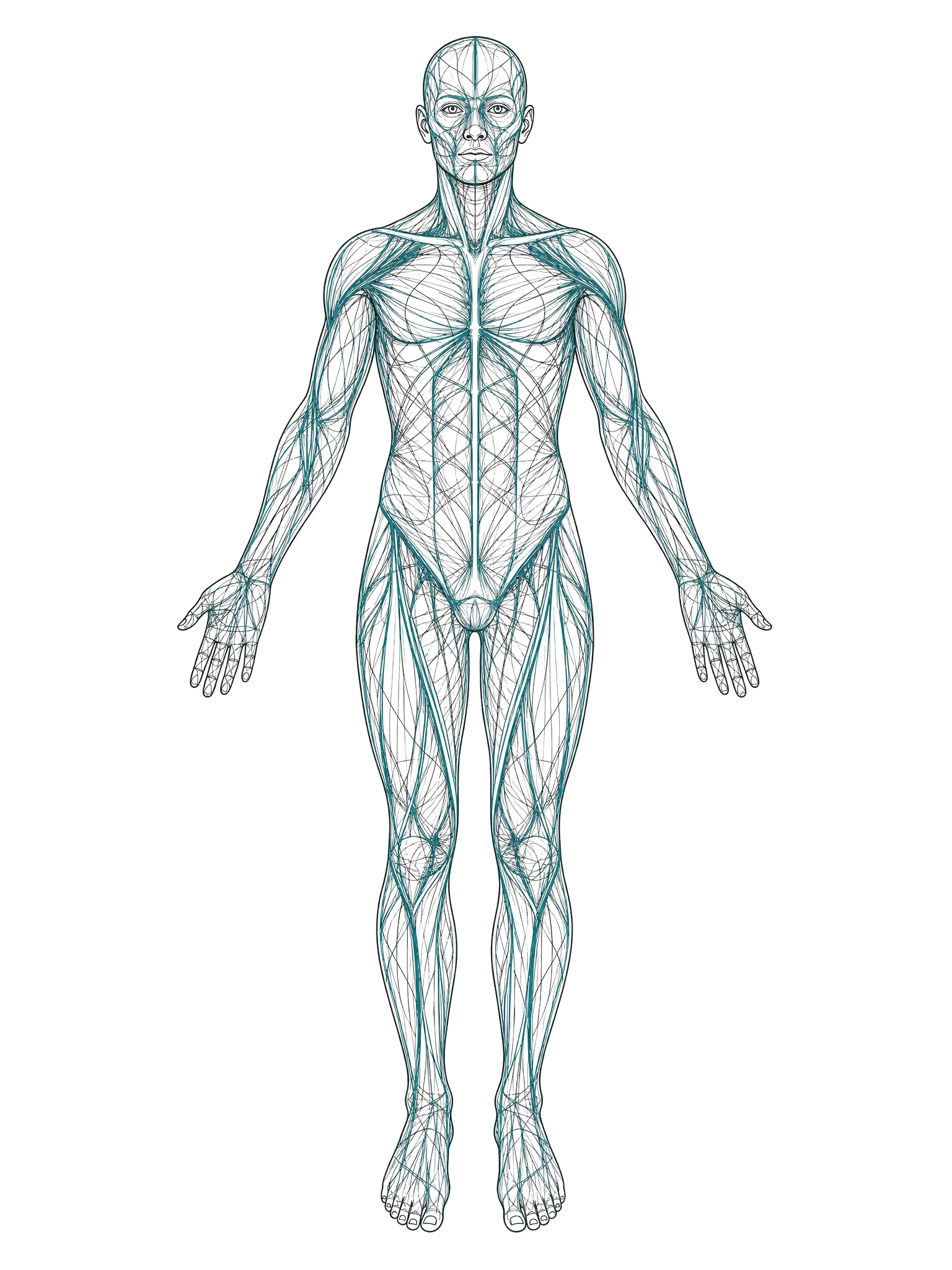 Fascia
What is fascia, and the key to your pain
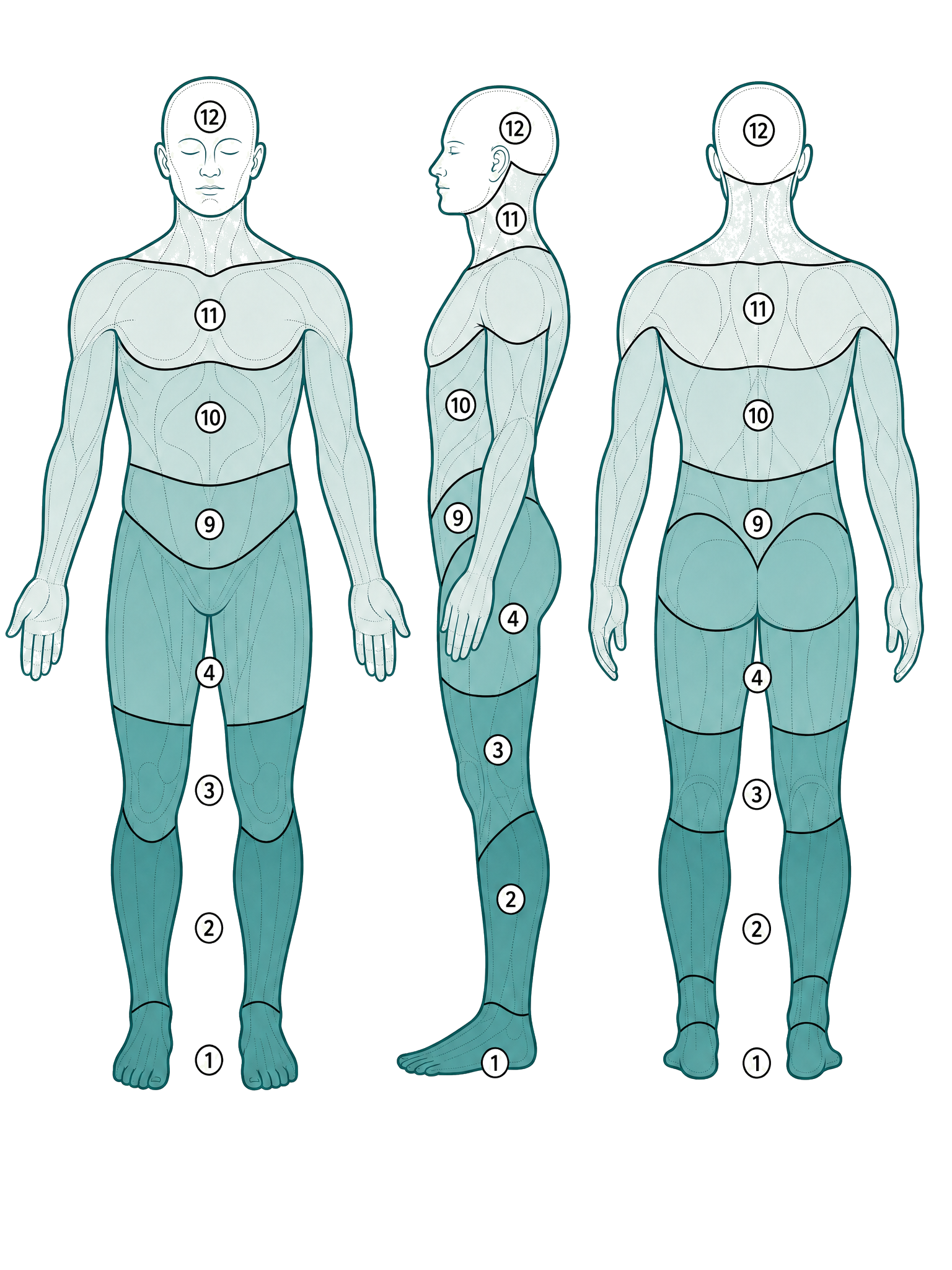 Structural Integration
The 12 session series, explained
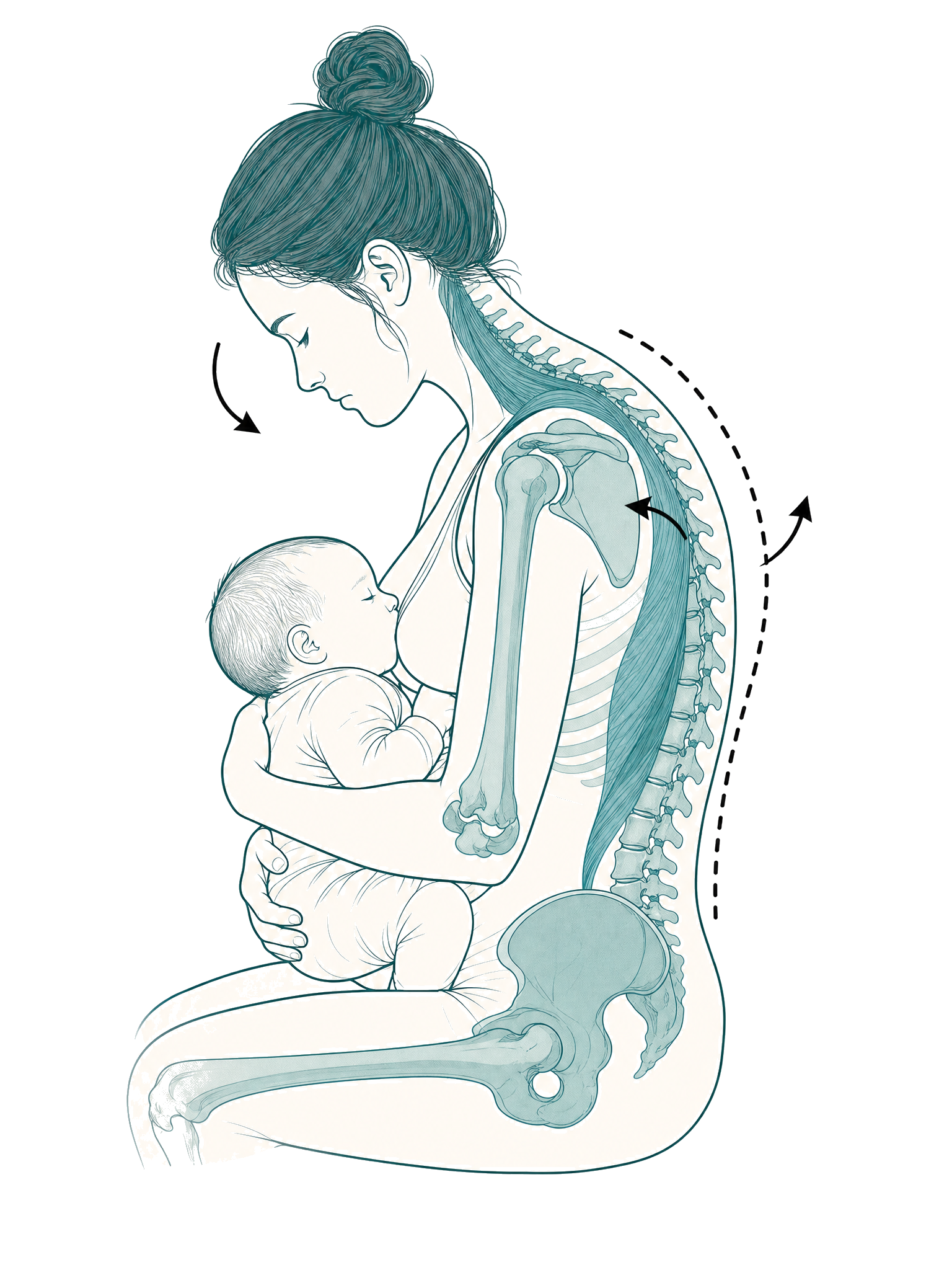 Postpartum
Rebuilding your body after birth
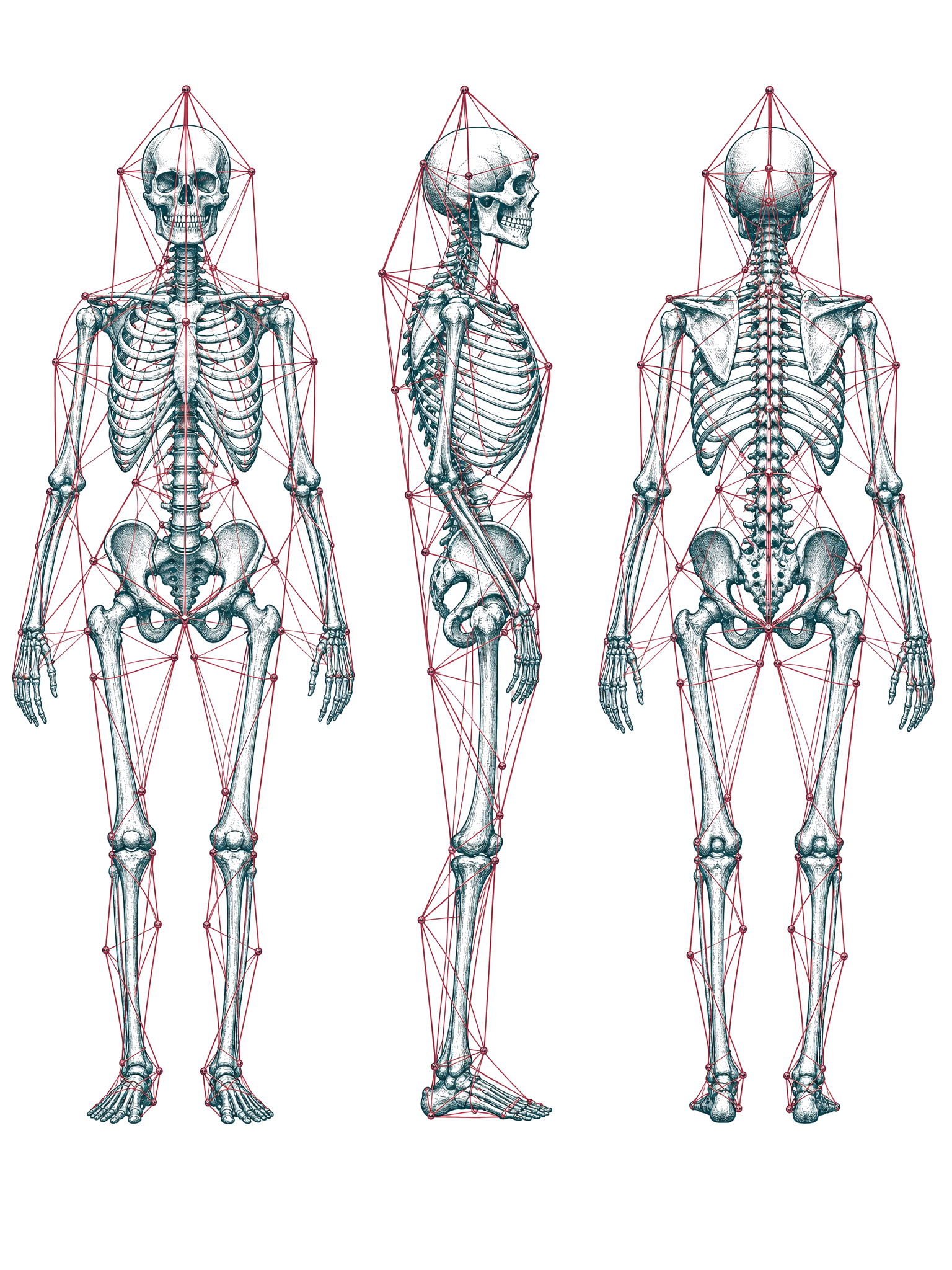 Structural Integration
What is Structural Integration?
Chronic painHow to choose a bodyworker
CompareSI vs Rolfing vs deep tissue
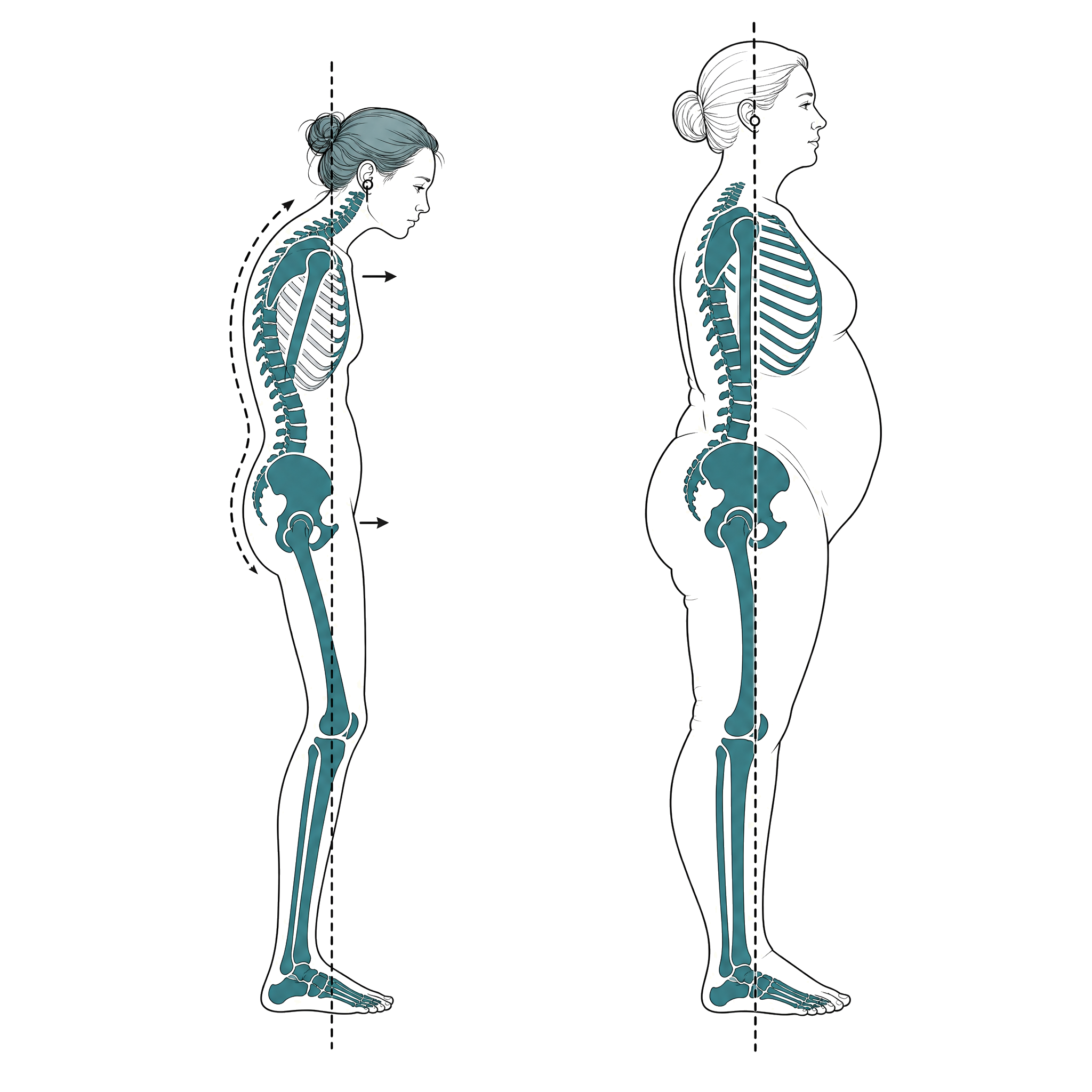 Perimenopause
Perimenopause and body pain
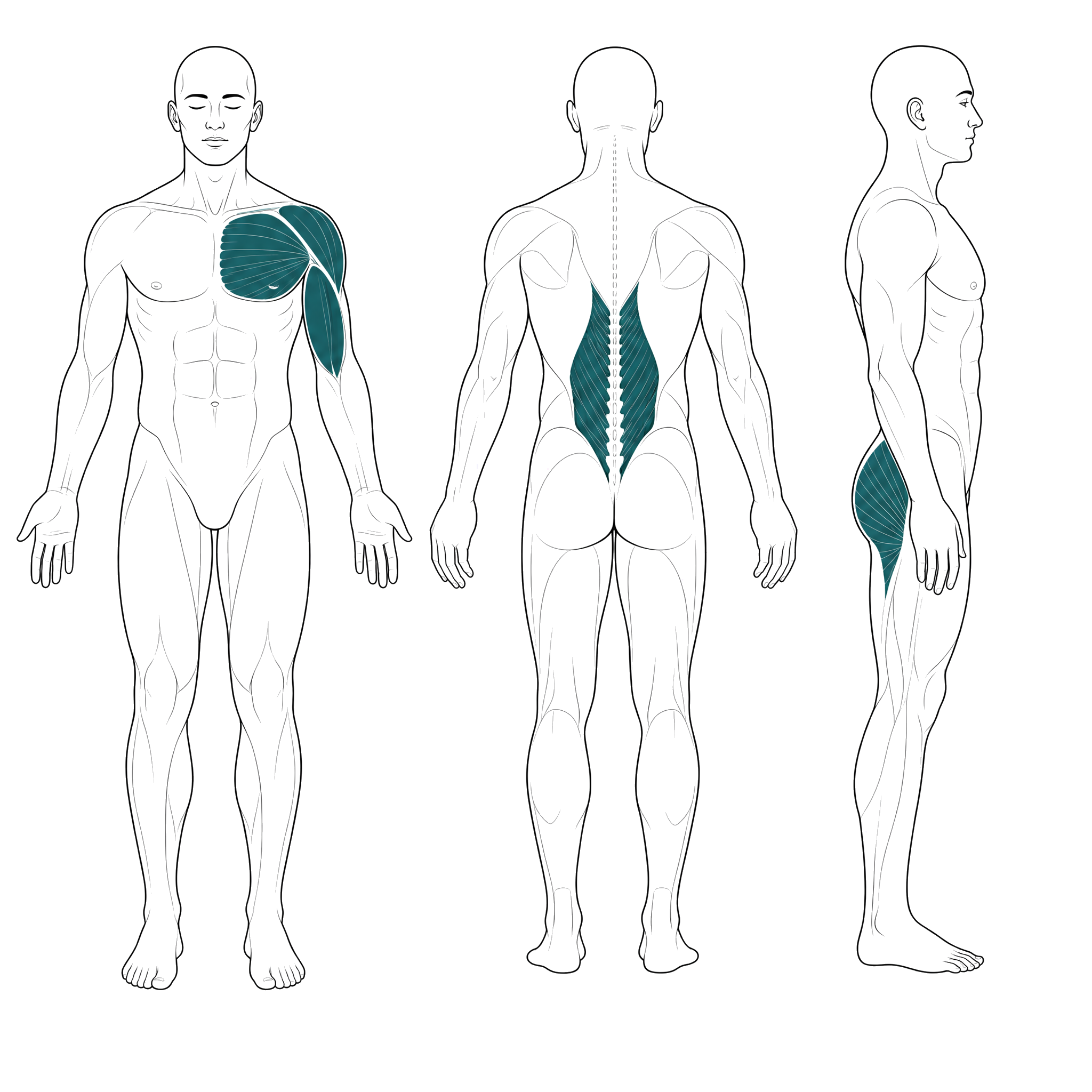 Structural Integration
The 3 session series
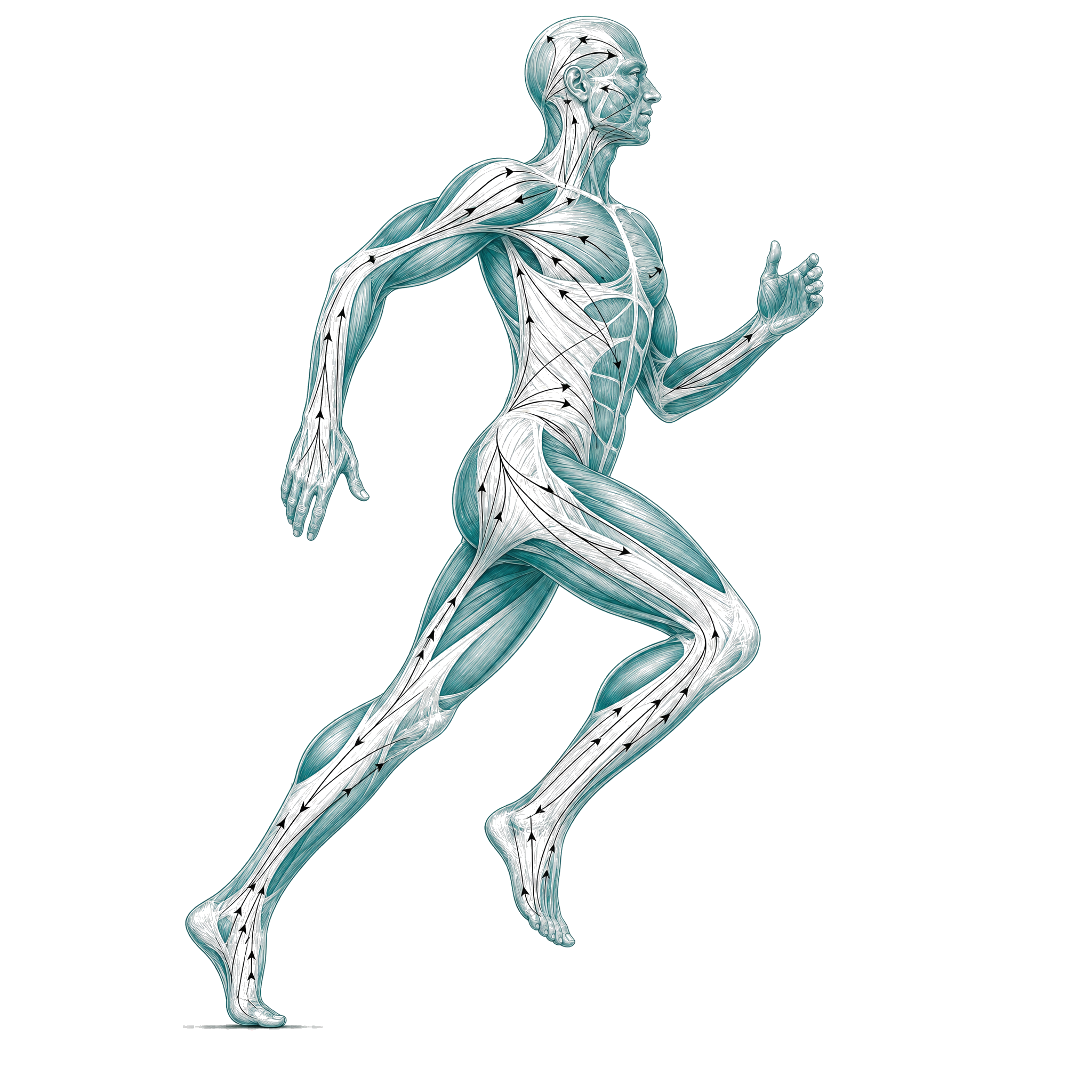 Fascial Fitness
Training the tissue behind your strength
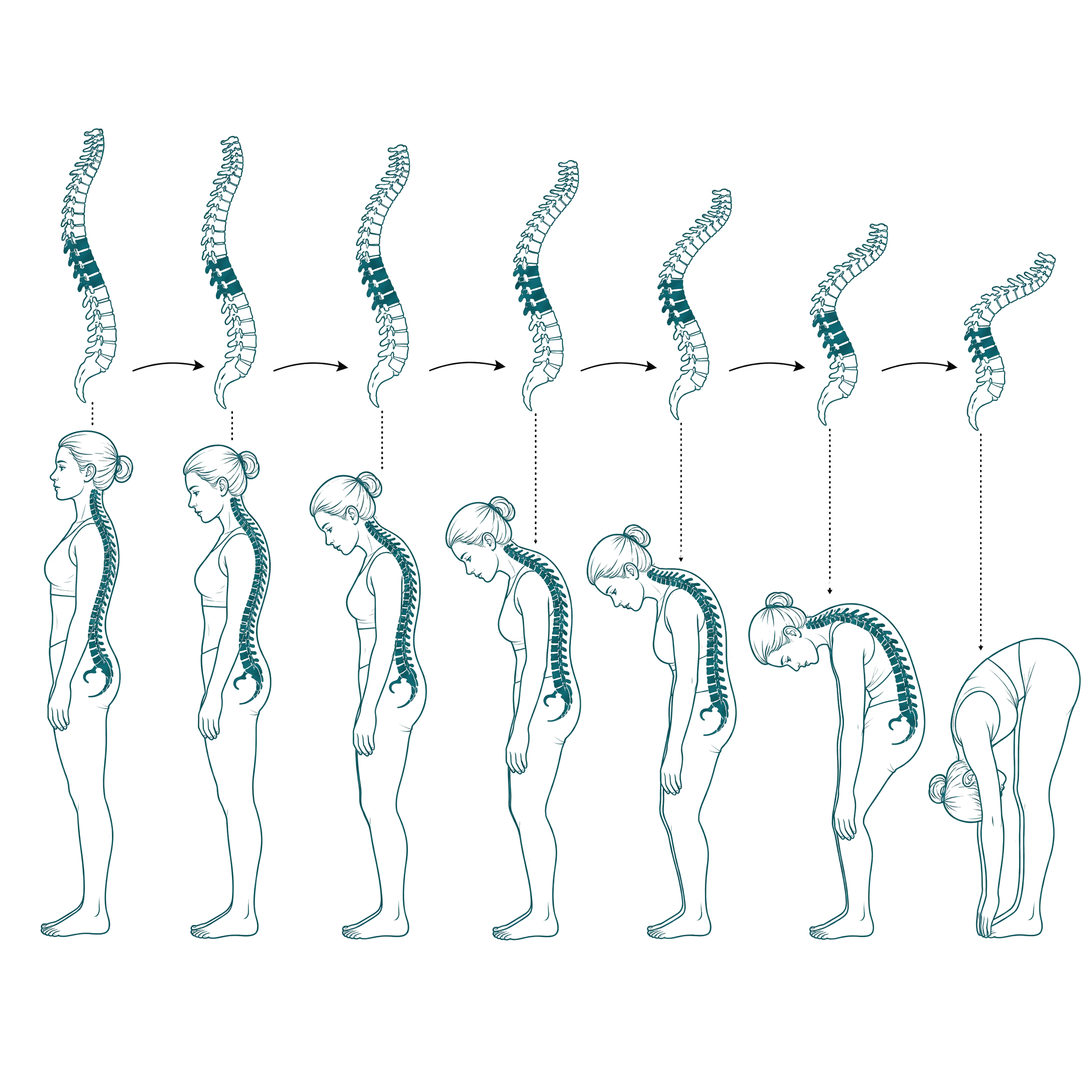 Pilates
Pilates after Structural Integration
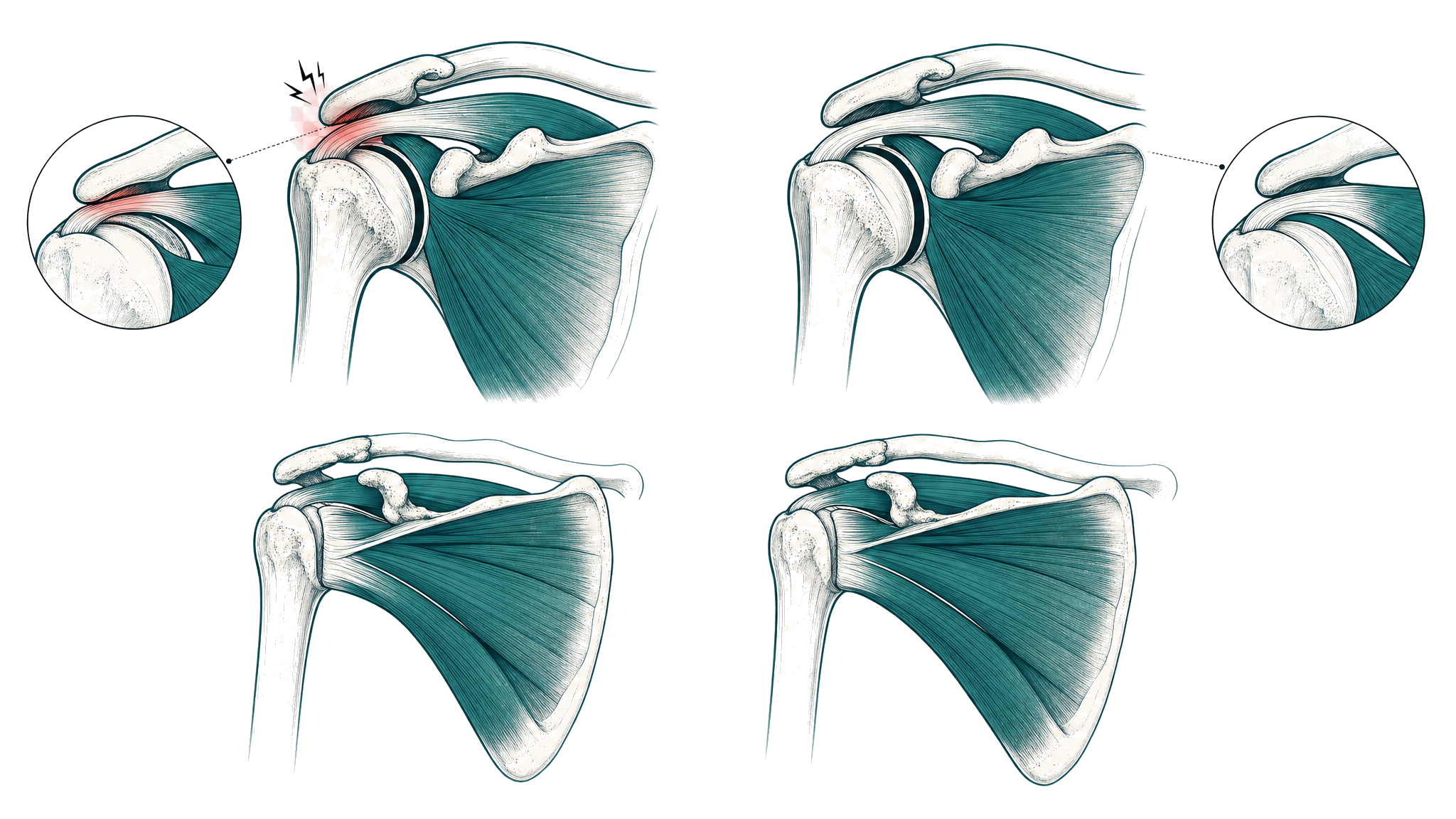 Story
StoryThe client who avoided shoulder surgery
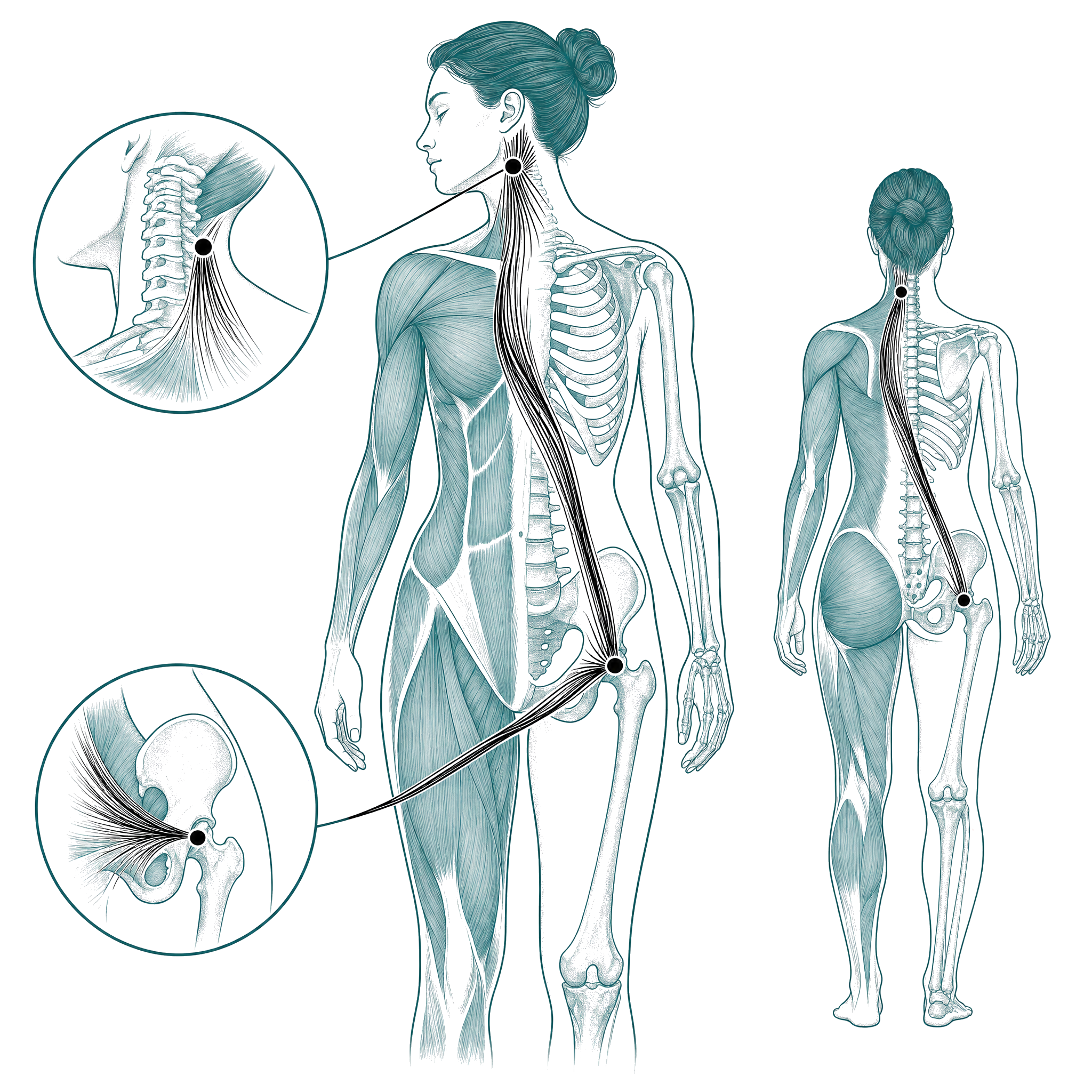 Story
StoryNeck and hip pain in a busy professional
 Mia's story
From dysmorphia to at home in my skin
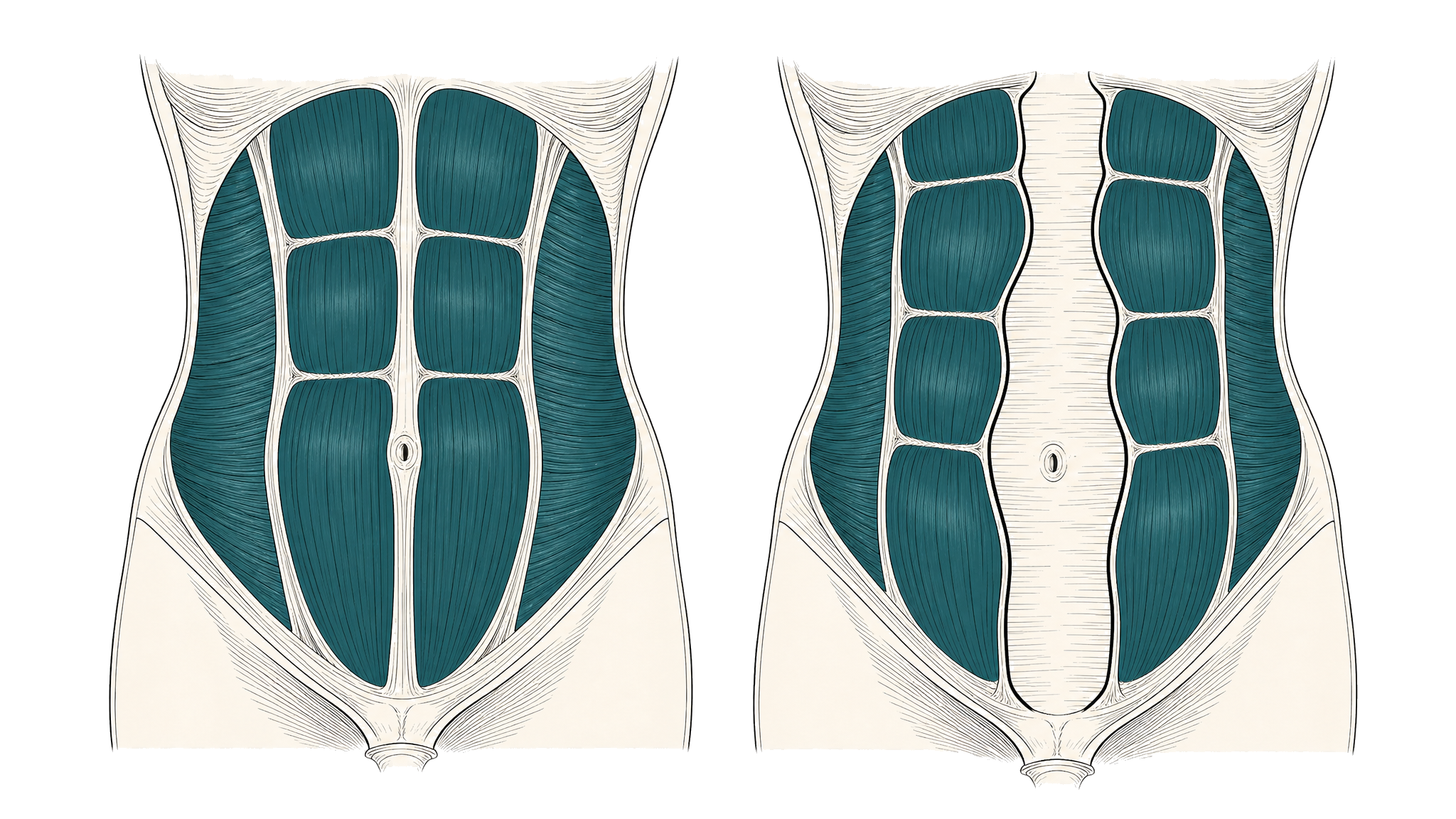 Postpartum
Closing the gap and standing tall again
TrustWhat my training means for you
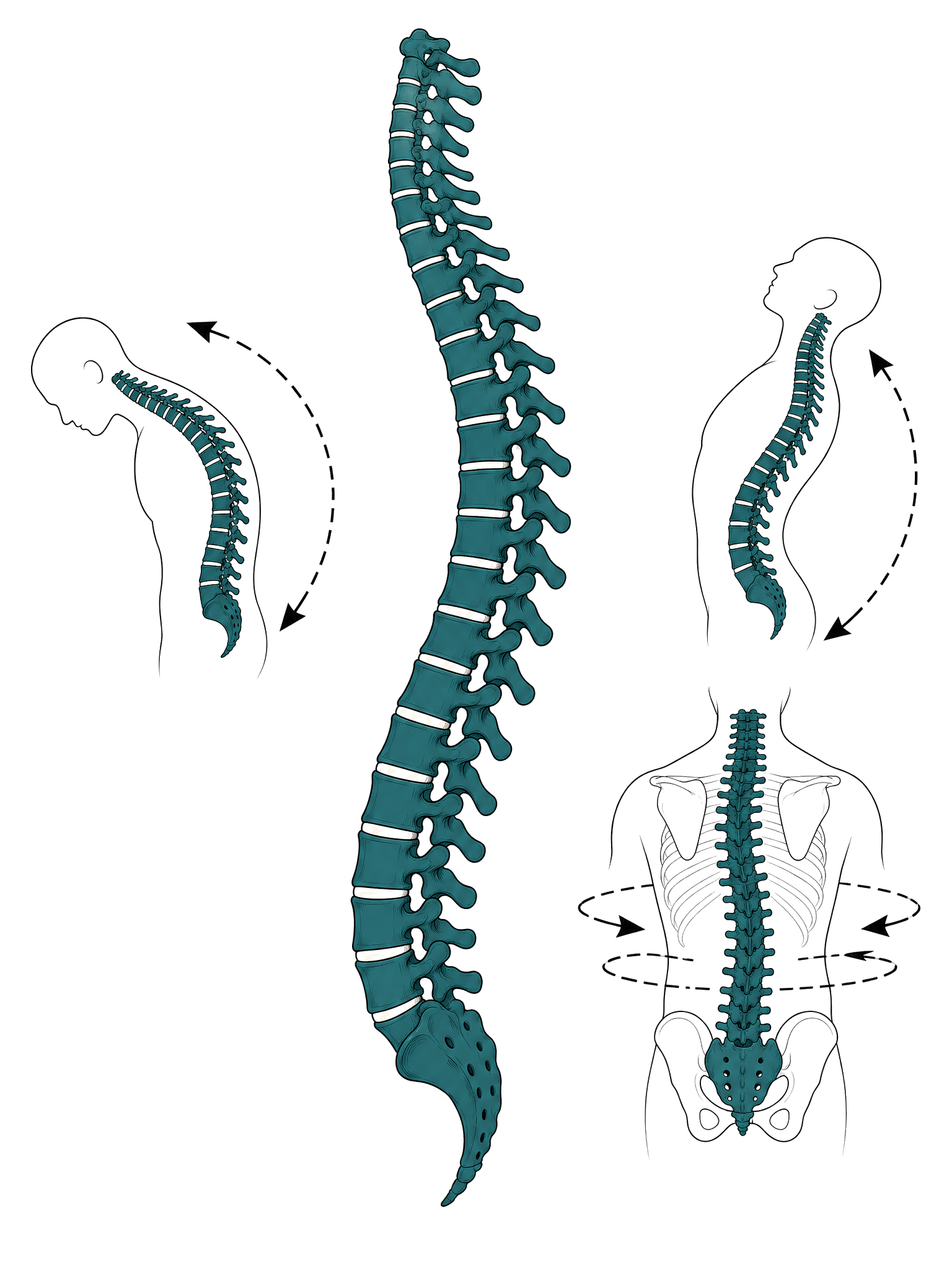
 Science
How the body holds a pattern
 Aging
AgingMobility and balance after 50
 Women's bodywork
Why I focus on women’s bodies
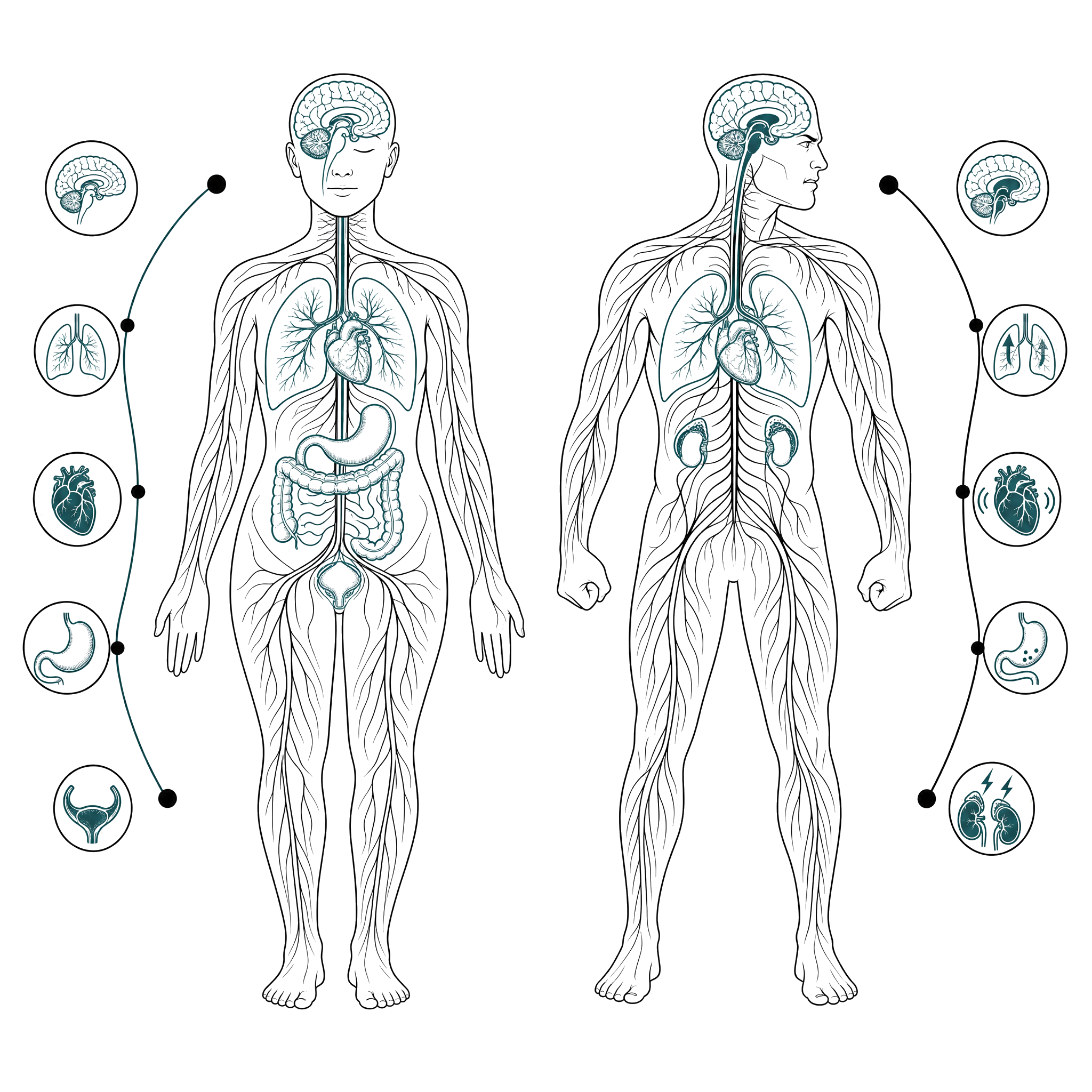
 Nervous system
Why feeling safe makes change stick
Understand your own body.
Practical, science backed insight on your body.