Structural Integration vs Rolfing vs deep tissue.
They get lumped together. They are not the same thing, and the difference matters.
People use these three terms interchangeably, and I understand why. But knowing the difference helps you choose what you actually need.
Shared roots
Rolfing and Structural Integration both come from Ida Rolf’s work. Rolfing is a trademarked name for the method taught at one school. Structural Integration is the broader family of that same lineage, including the Anatomy Trains approach I trained in. In practice they are close cousins, both delivered as a planned series that reorganizes fascia in gravity.
Deep tissue is the outlier. It is a single session massage technique, focused on pressure into tight muscles. It can feel great. It is just not a structural series, and it is not trying to be.
Which one for what
If you want to relax tight muscles for an afternoon, deep tissue is fine. If you have a chronic, whole body pattern, pain that keeps moving, a structure that keeps recreating the problem, you want Structural Integration or Rolfing, because they change the architecture rather than soothing it.
Deep tissue presses on the symptom. Structural work changes the thing the symptom is sitting on.
Neither is better in the abstract. They answer different questions. The trick is matching the tool to your actual problem.
- Rolfing and Structural Integration share Ida Rolf’s lineage and are close cousins.
- Both are planned series that reorganize fascia in gravity.
- Deep tissue is a single session massage technique, not a structural series.
- Match the method to whether you want relaxation or structural change.
 Fascia
What is fascia, and the key to your pain
Structural IntegrationThe 12 session series, explained
 Postpartum
Rebuilding your body after birth
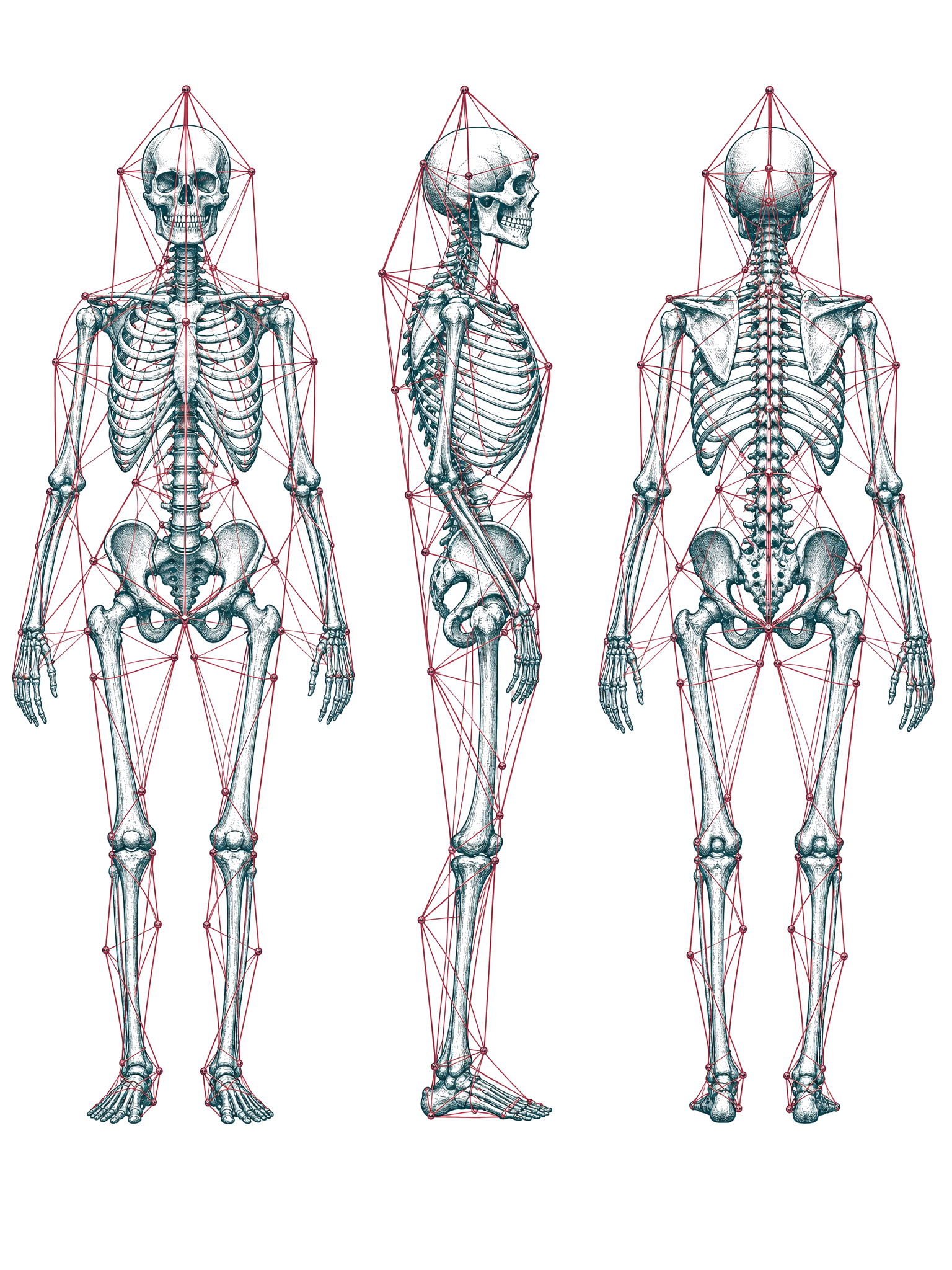 Structural Integration
What is Structural Integration?
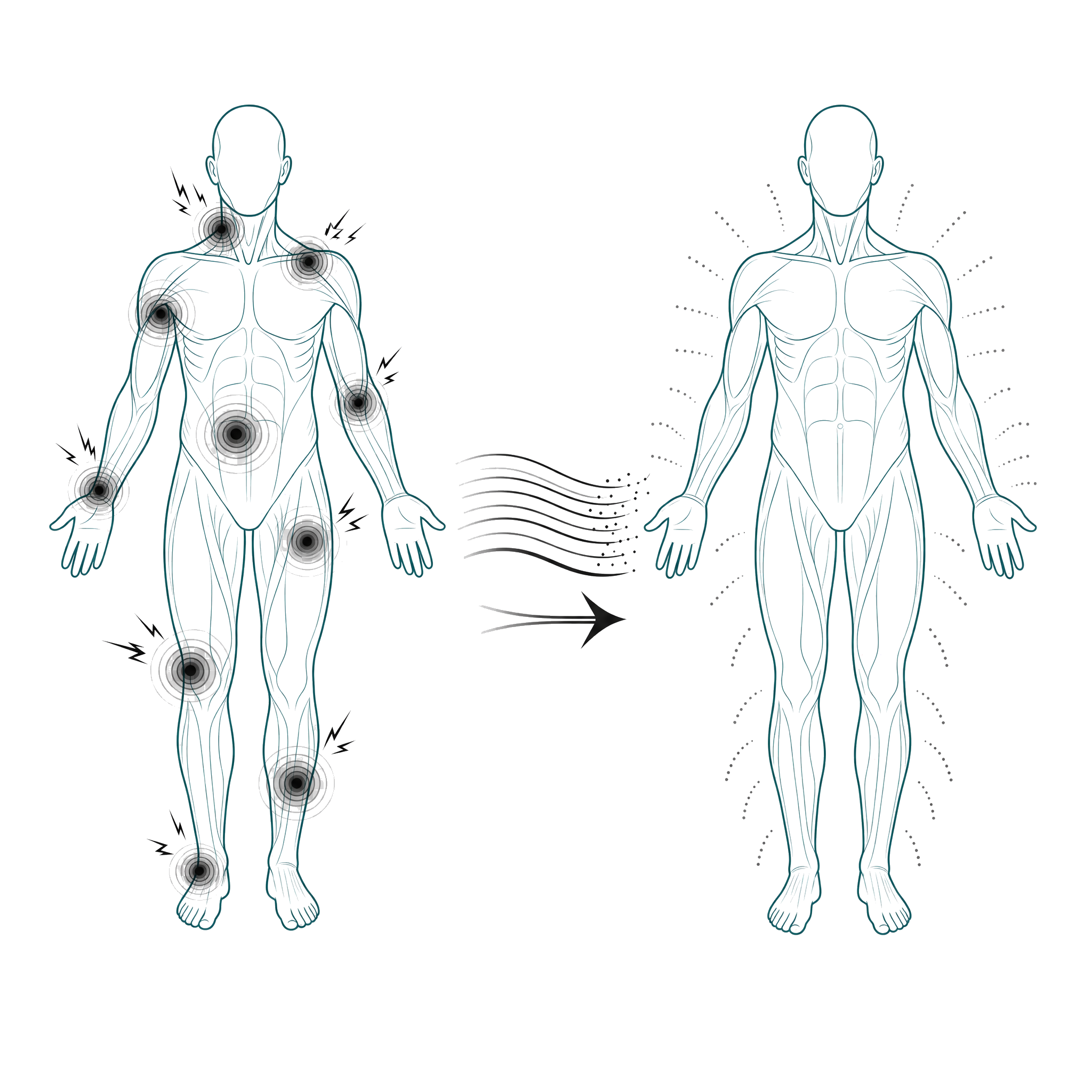 Chronic pain
How to choose a bodyworker
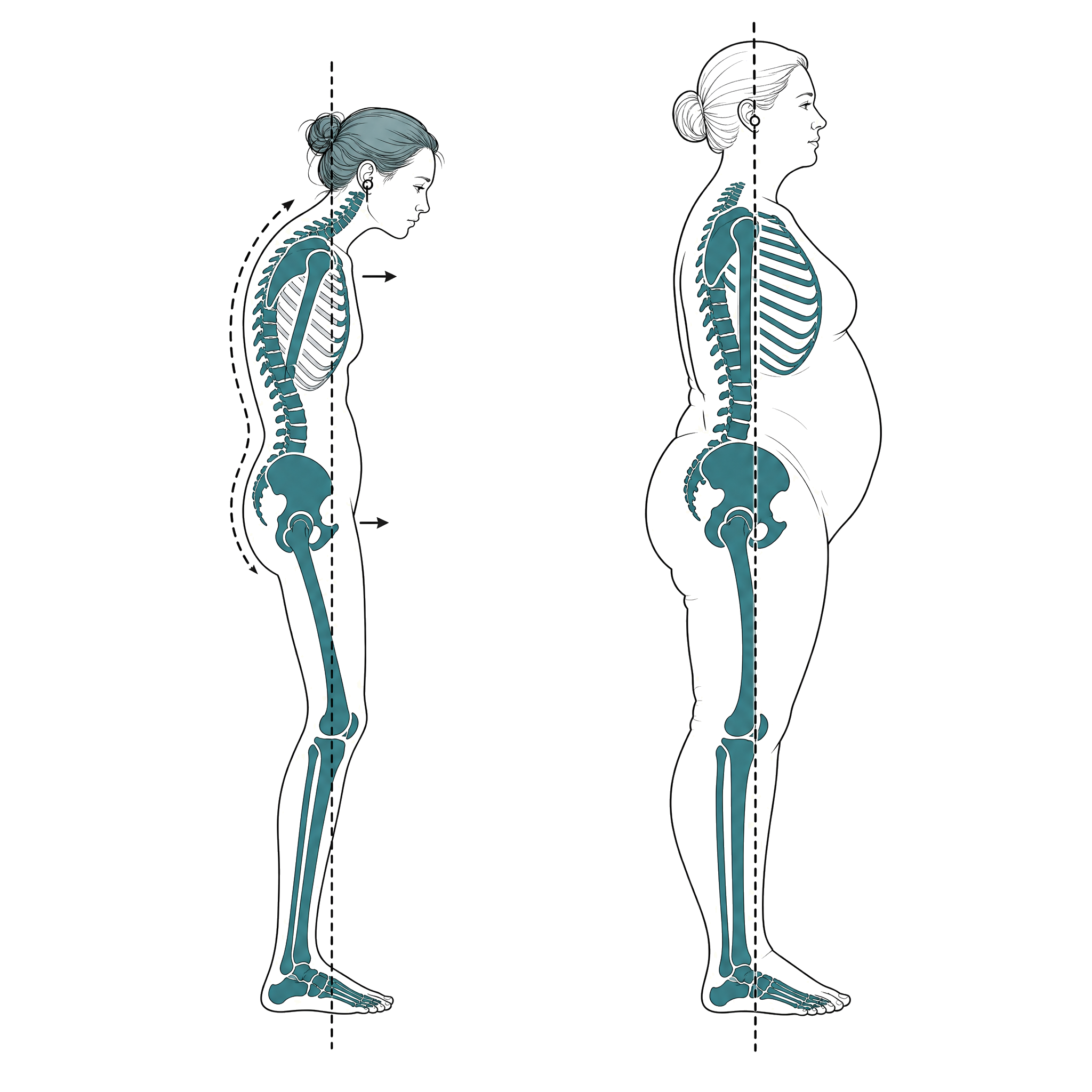 Perimenopause
Perimenopause and body pain
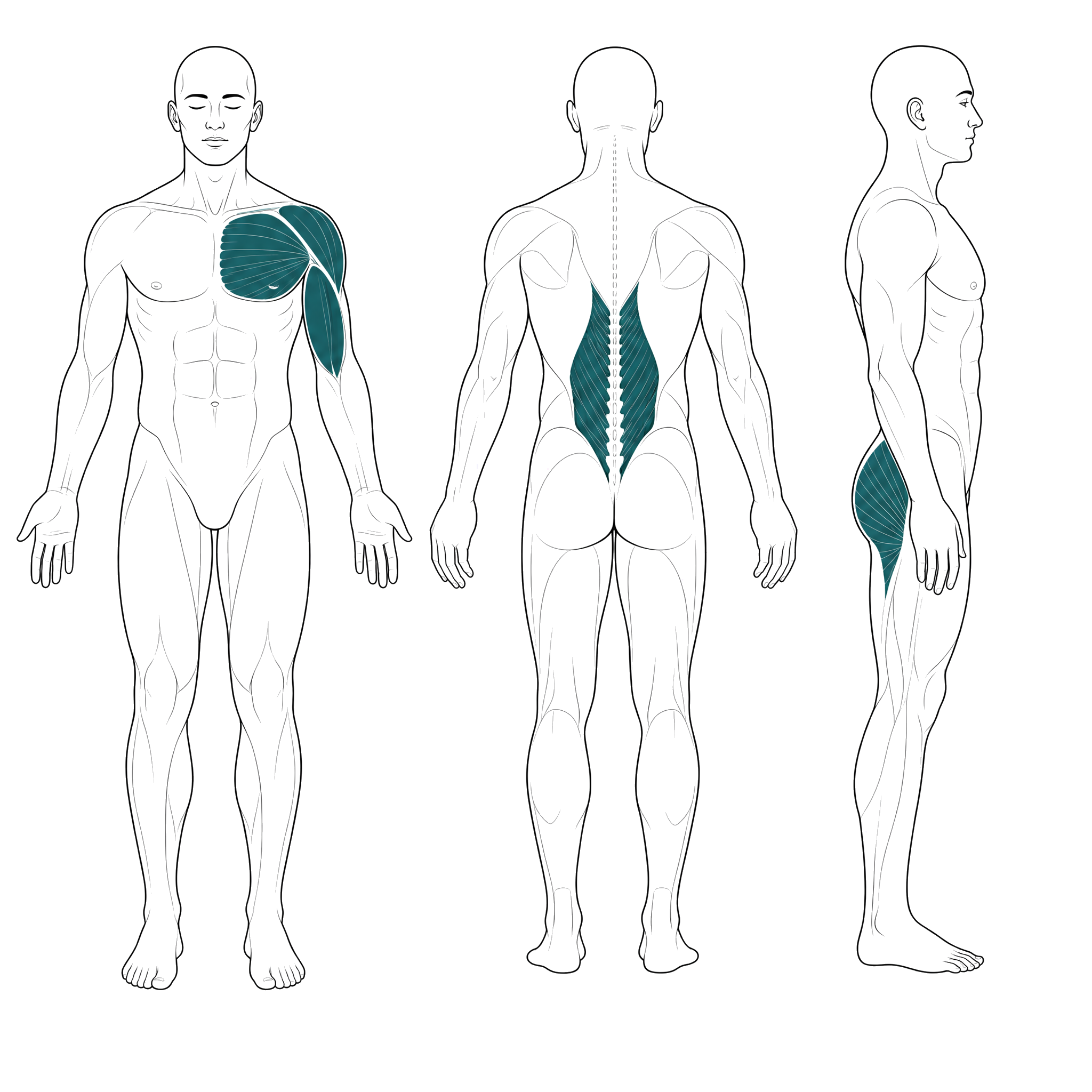 Structural Integration
The 3 session series
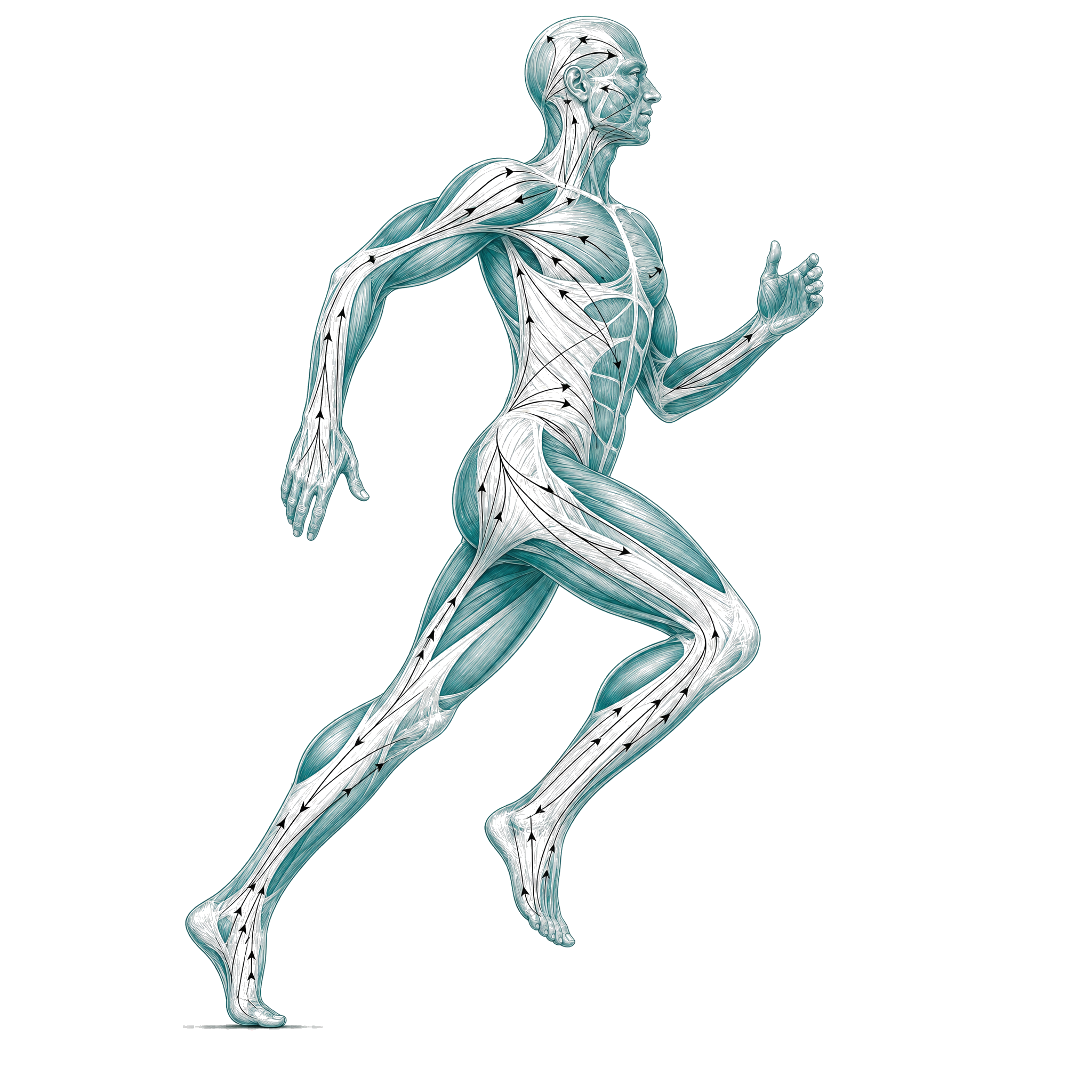 Fascial Fitness
Training the tissue behind your strength
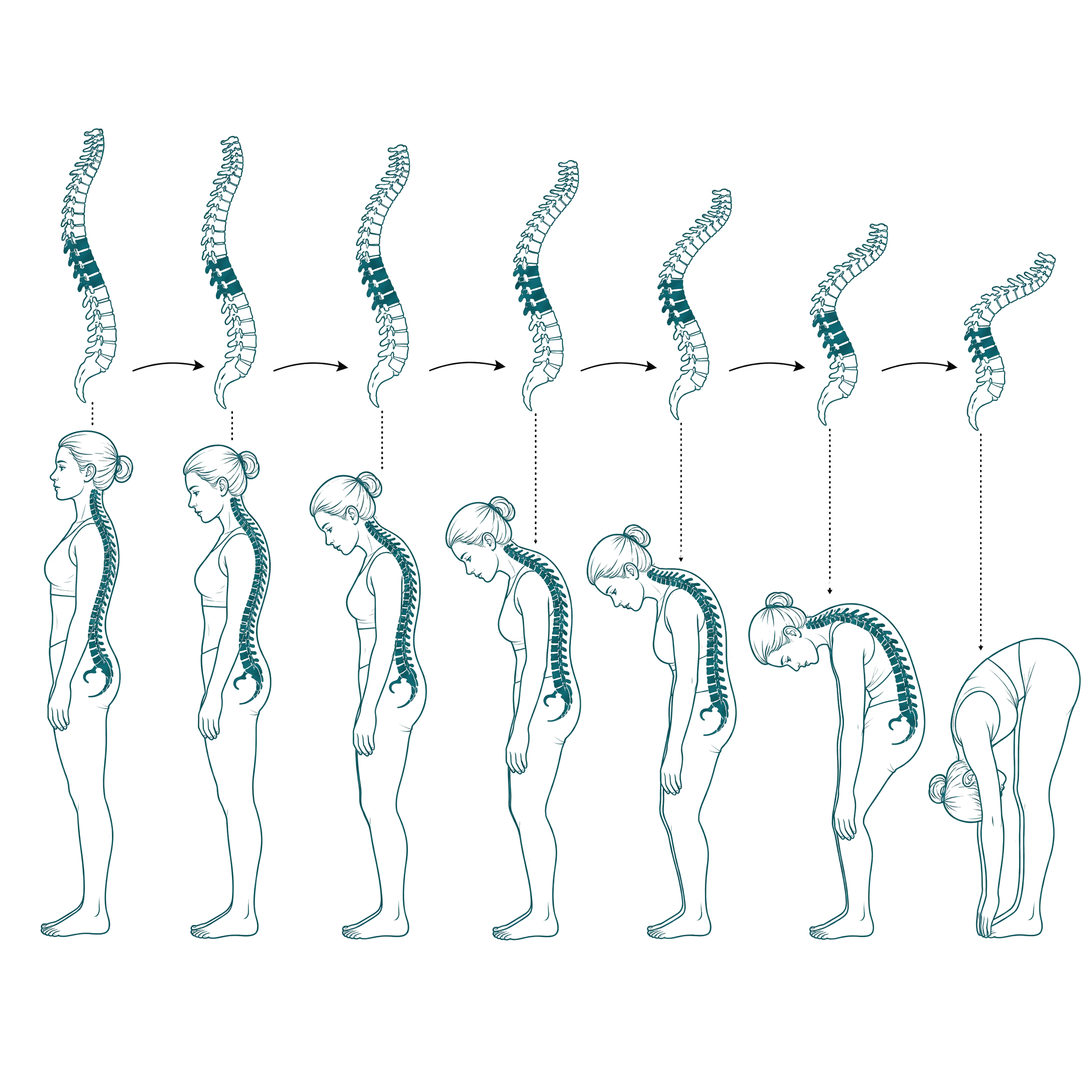 Pilates
Pilates after Structural Integration
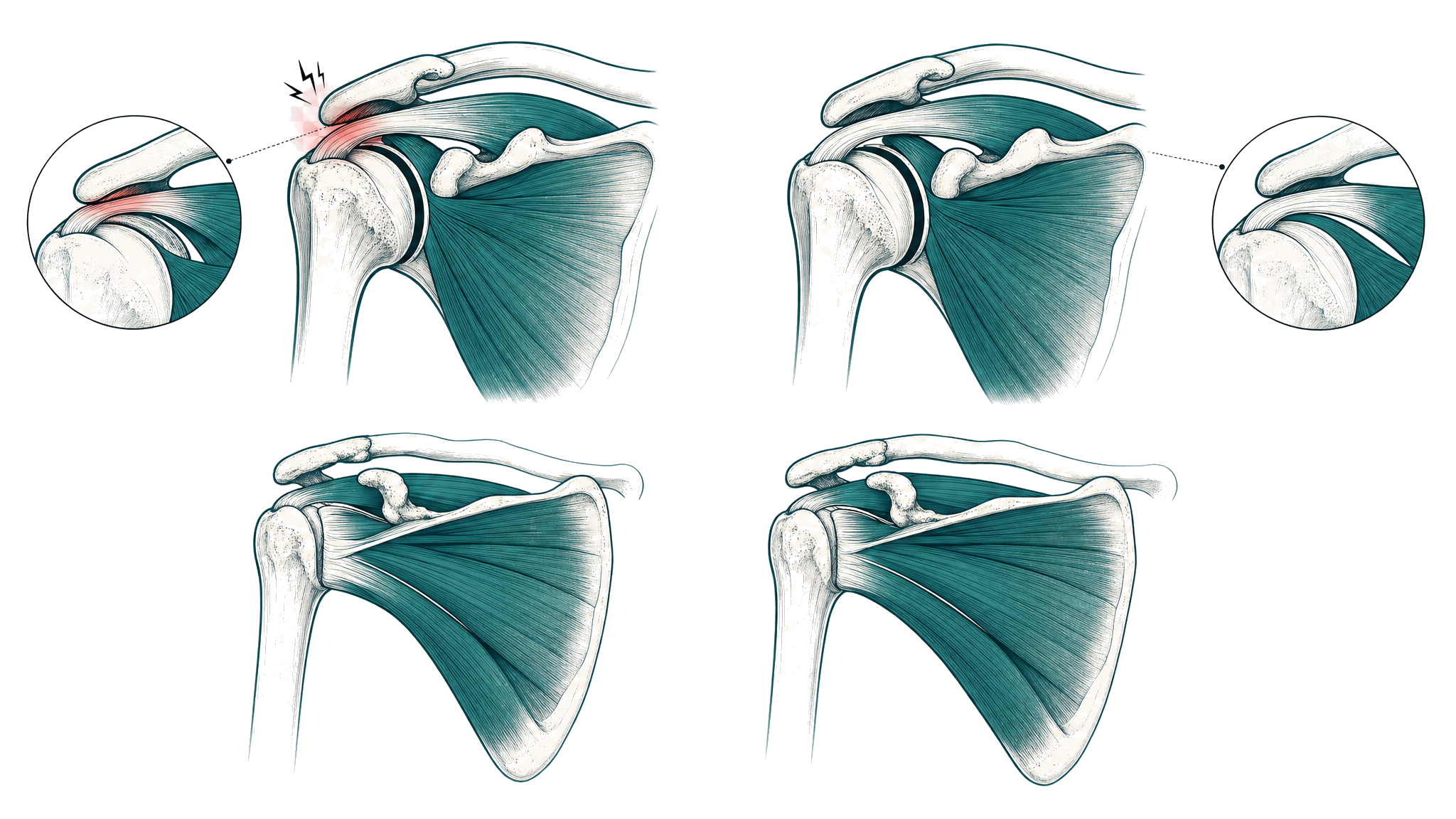 Story
StoryThe client who avoided shoulder surgery
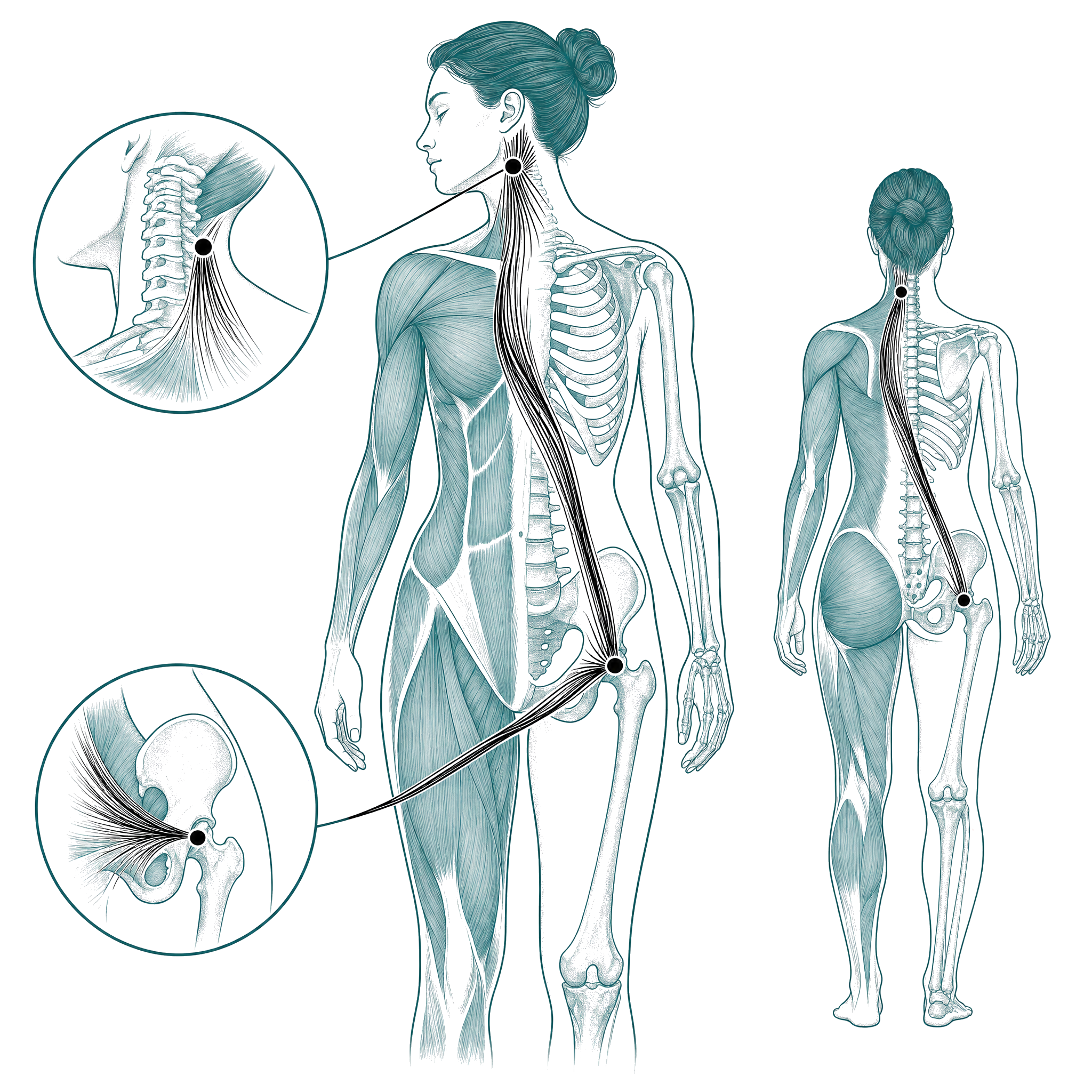 Story
StoryNeck and hip pain in a busy professional
 Mia's story
From dysmorphia to at home in my skin
 Postpartum
Closing the gap and standing tall again
ApproachHow I find the real cause of your pain
TrustWhat my training means for you
 Science
How the body holds a pattern
 Aging
AgingMobility and balance after 50
 Women's bodywork
Why I focus on women’s bodies
 Nervous system
Why feeling safe makes change stick
Understand your own body.
Practical, science backed insight on your body.