What is Structural Integration, and who is it for?
A whole body method that reorganizes fascia in gravity, so your body stops recreating the problem.
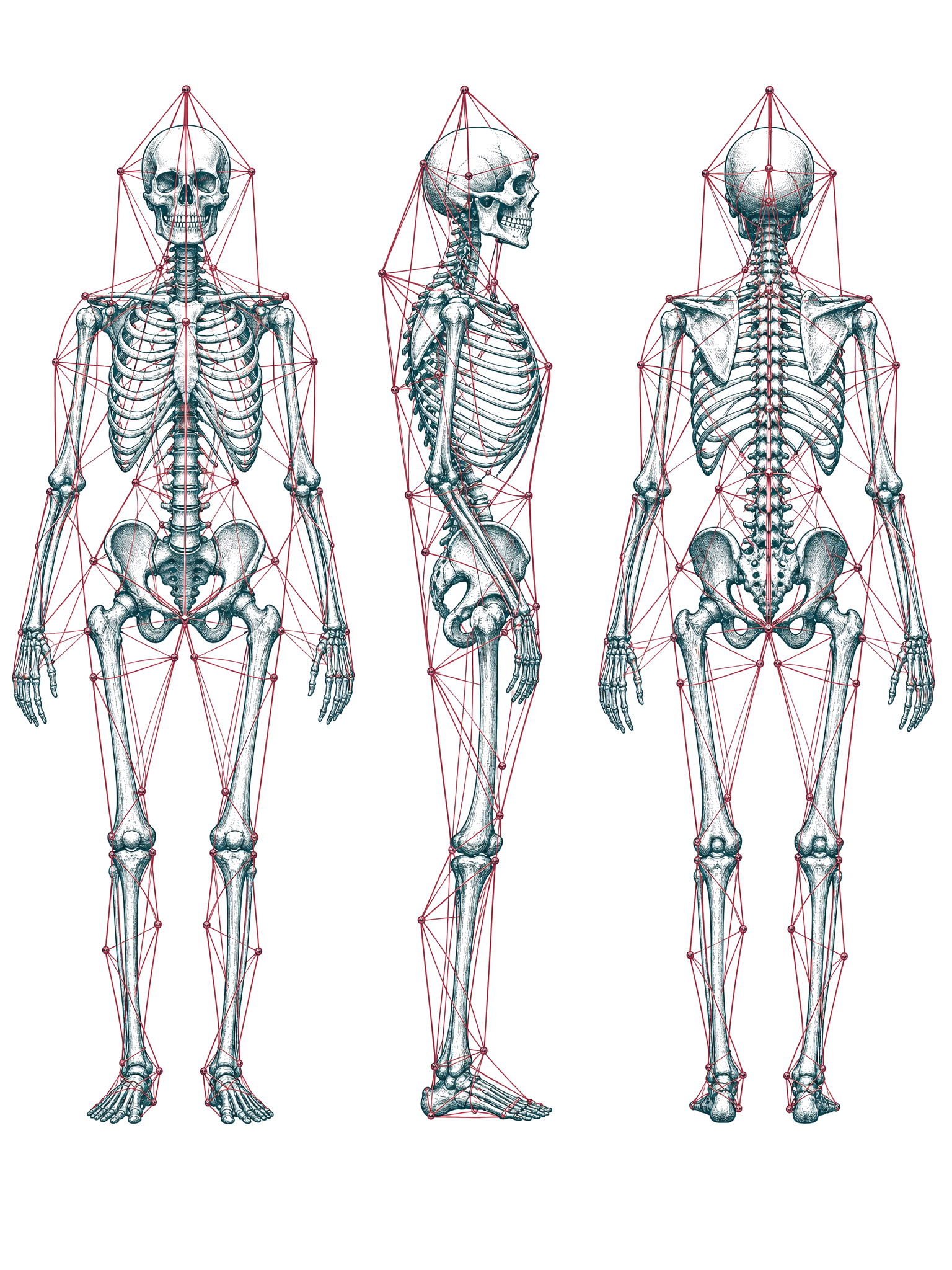
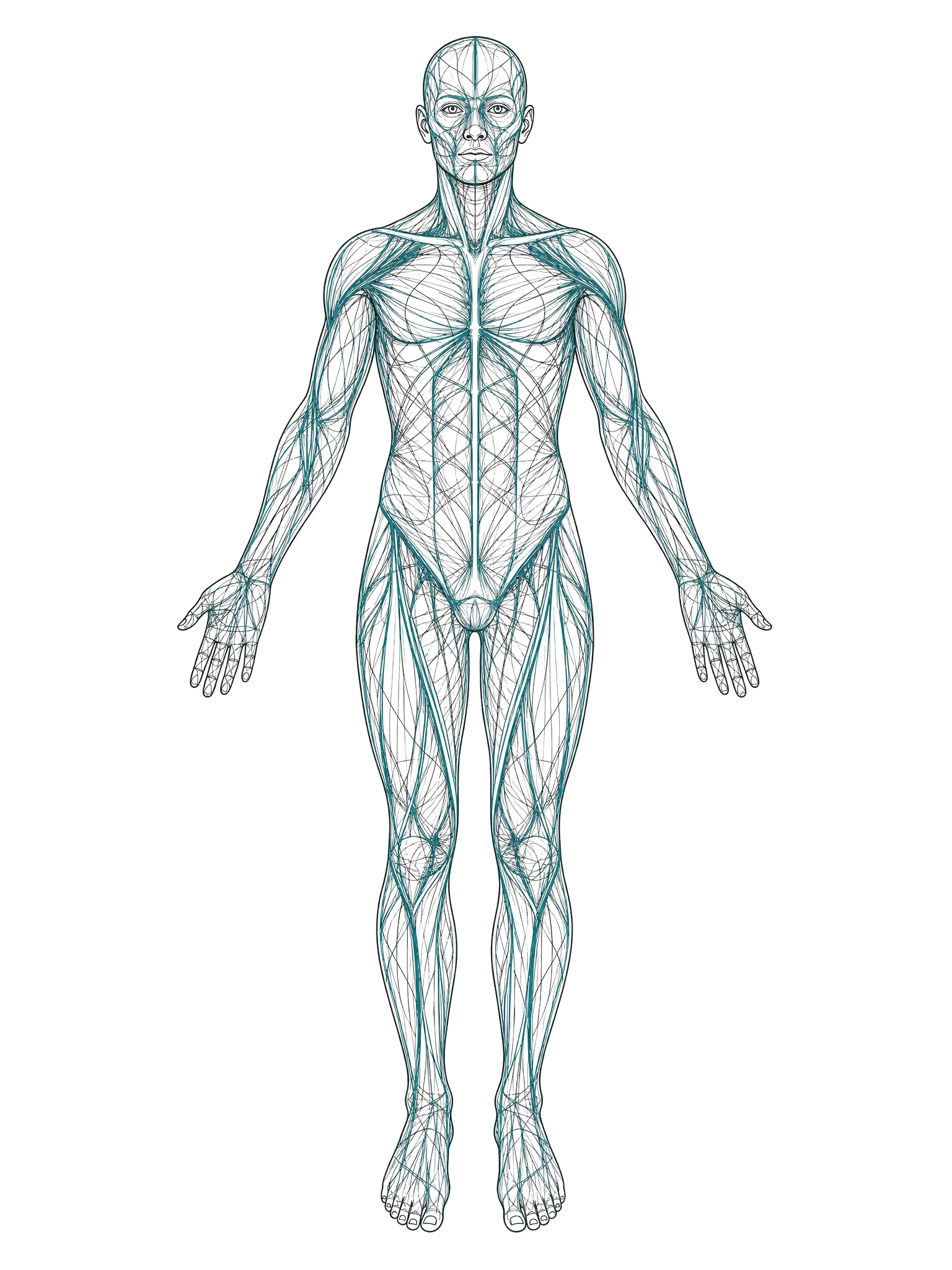
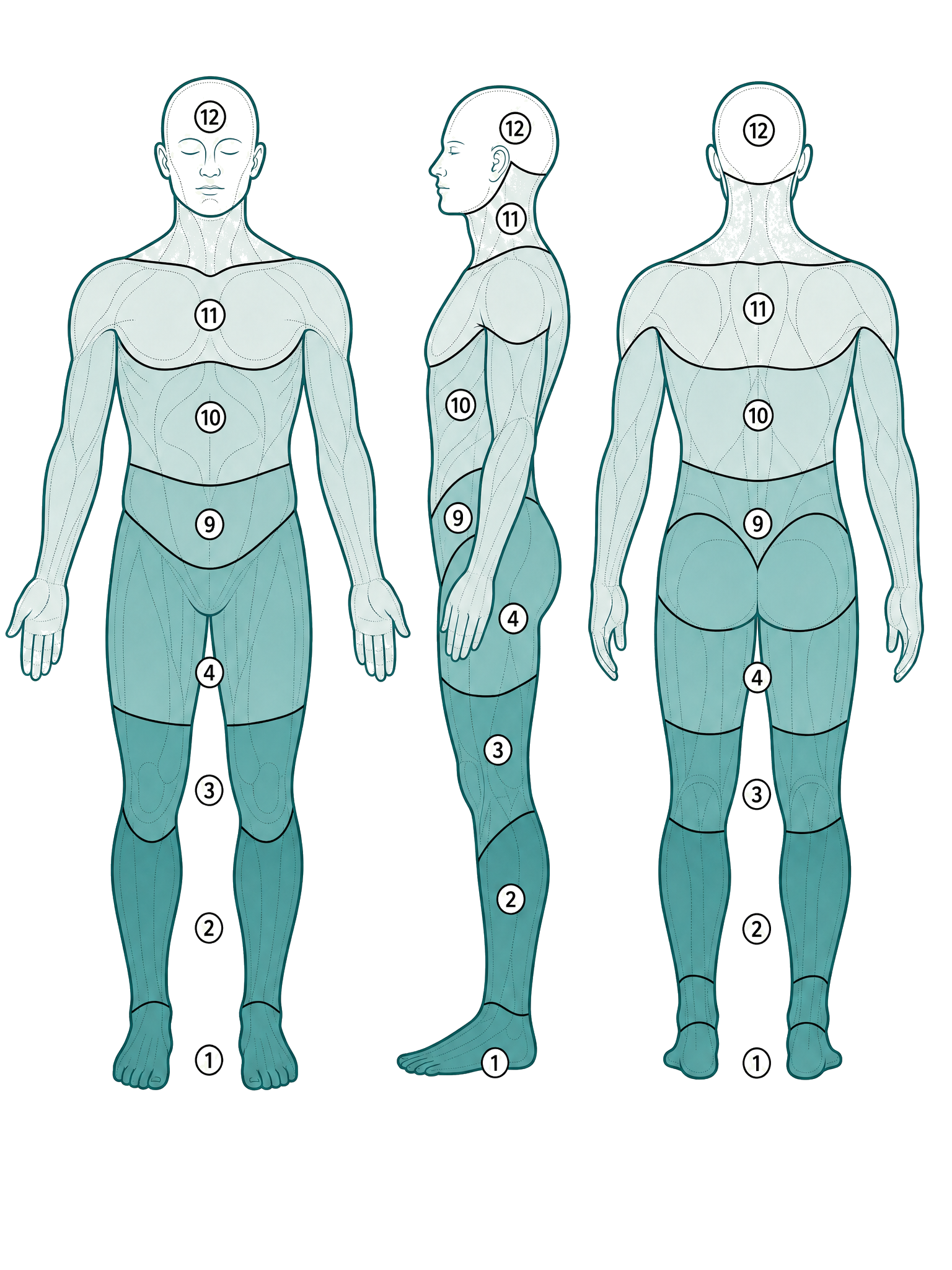
Structural Integration is hands on bodywork that reorganizes your whole body in gravity by working with fascia, the connective tissue that wraps and links everything. It is not a deeper massage. It is a planned reorganization of your structure, usually over a short arc or a full twelve session series.
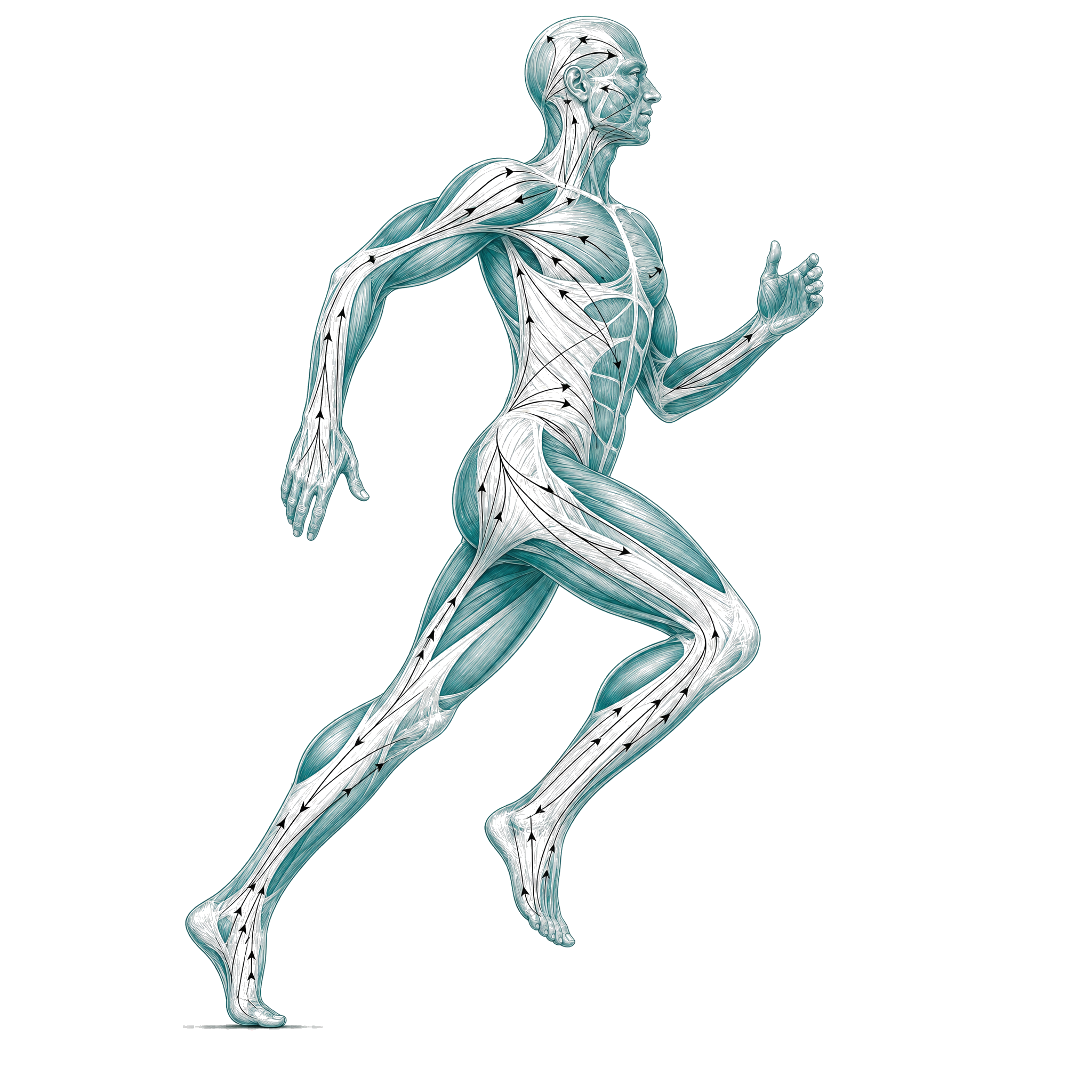
I practice the Anatomy Trains lineage of this work. I read how you stand and move, find the fascial lines holding your pattern in place, and work them by hand in a deliberate order.
Who it is for
Most people land here after trying everything else. Pain that keeps moving or coming back. A body that never quite recovered from an old injury, a pregnancy, or years at a desk. Athletes chasing more out of how they move. And people who simply want to understand their own body instead of being treated like a collection of parts.
It works alongside your medical care, not instead of it. If something needs a physician, I will say so.
What makes it different
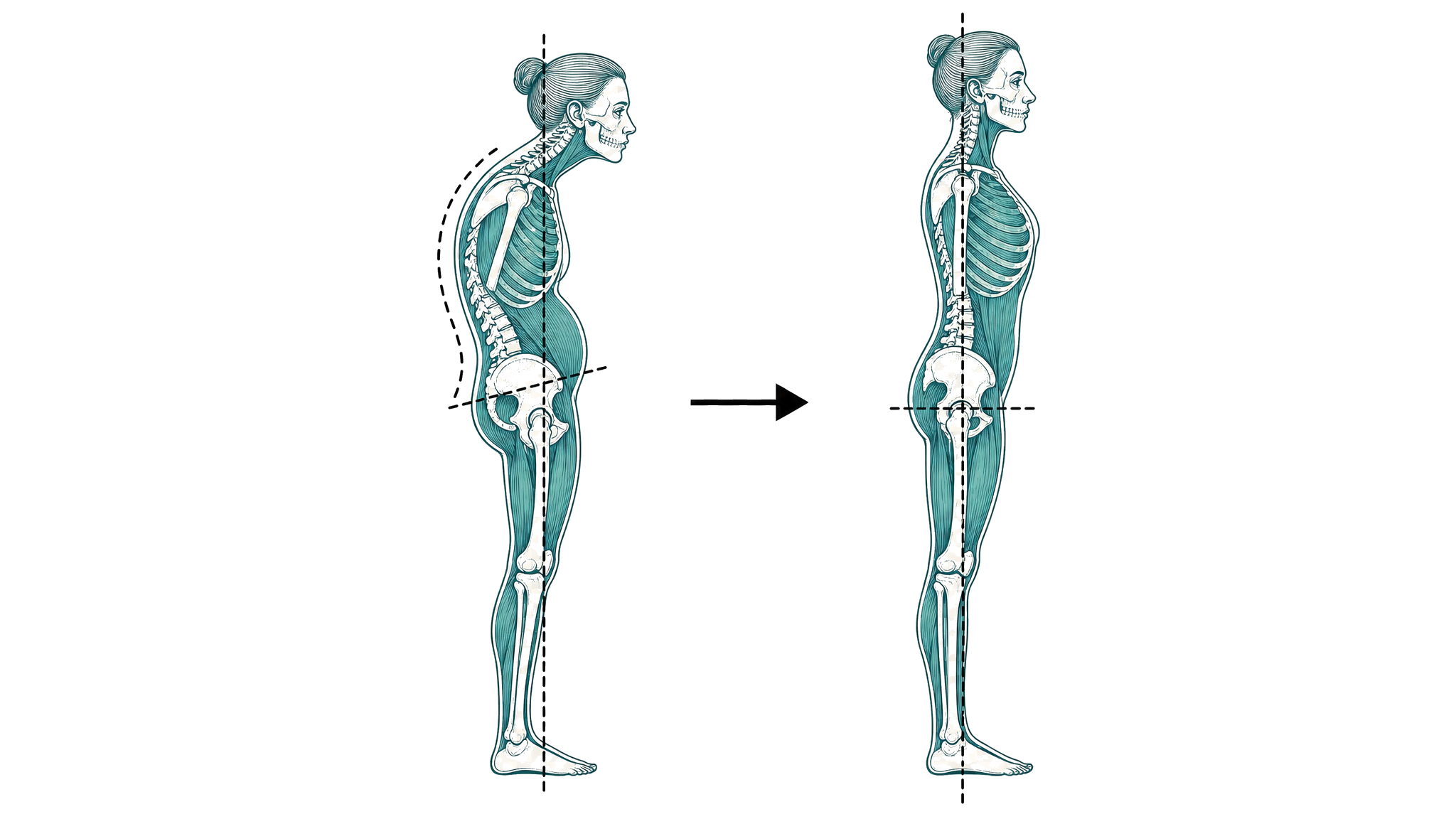
Massage soothes tissue. Physical therapy rehabs a specific injury. Chiropractic adjusts joints. Structural Integration reorganizes the whole fascial structure in gravity, so your body stops pulling itself back into the pattern that caused the pain.
Where it hurts is rarely where it started. I treat the whole body, not the sore spot.
That is why the change tends to last, and why people leave understanding what we did and how to keep it.
- Structural Integration reorganizes the whole fascial web, not one sore spot.
- It is delivered as a planned series, not a one off massage.
- It suits chronic pain, postural patterns, recovery, and movers.
- It complements medical care rather than replacing it.
 Fascia
What is fascia, and the key to your pain
 Structural Integration
The 12 session series, explained
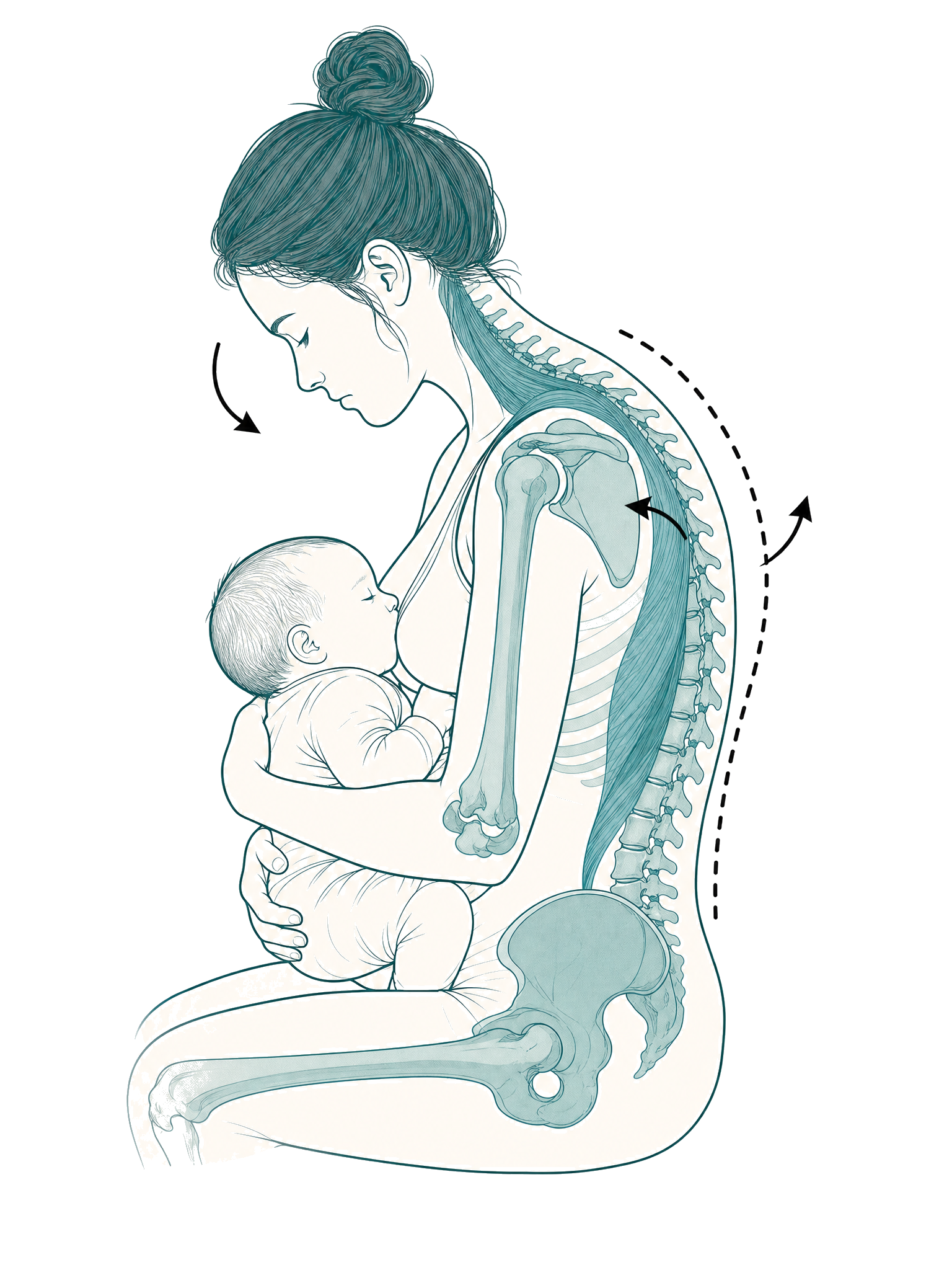 Postpartum
Rebuilding your body after birth
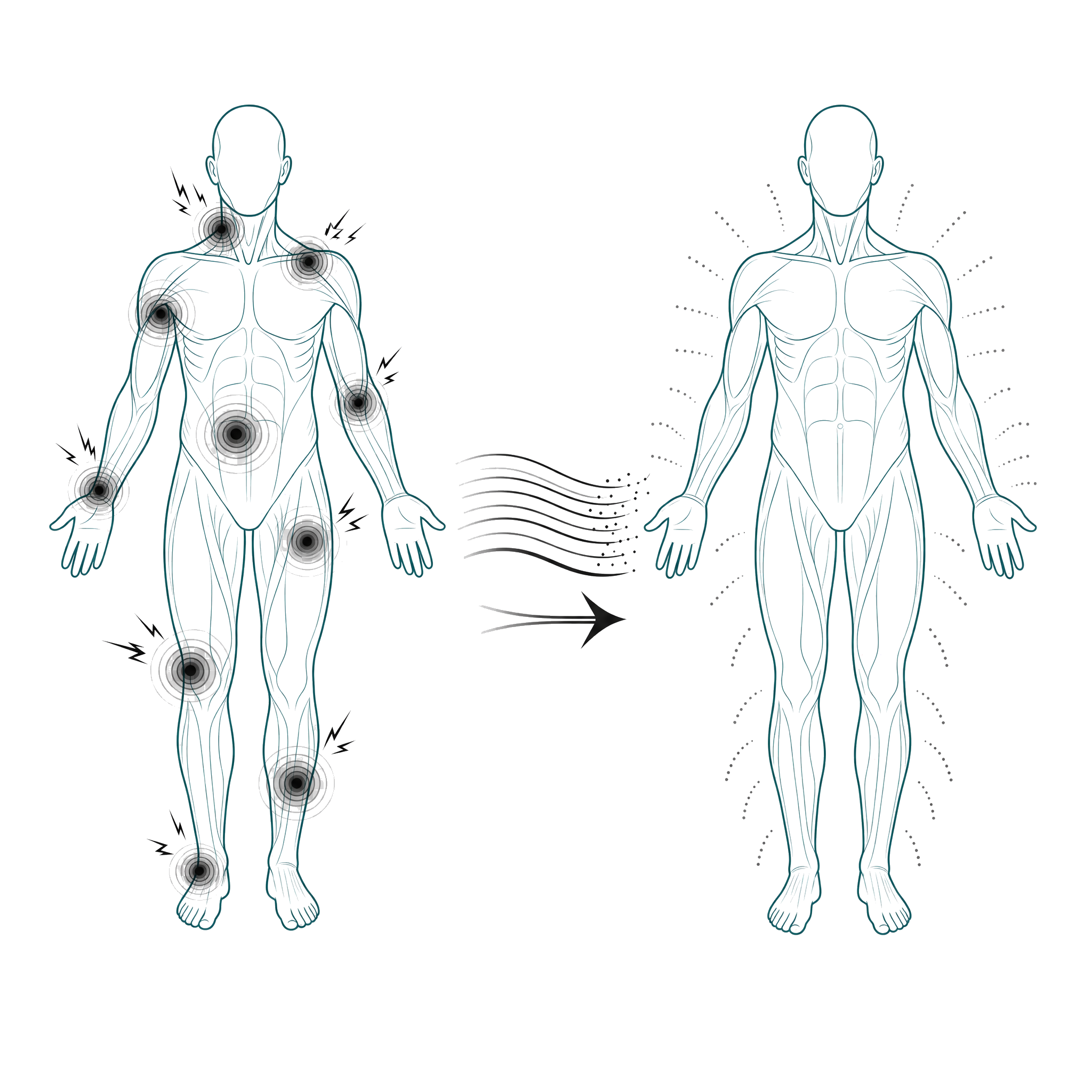 Chronic pain
How to choose a bodyworker
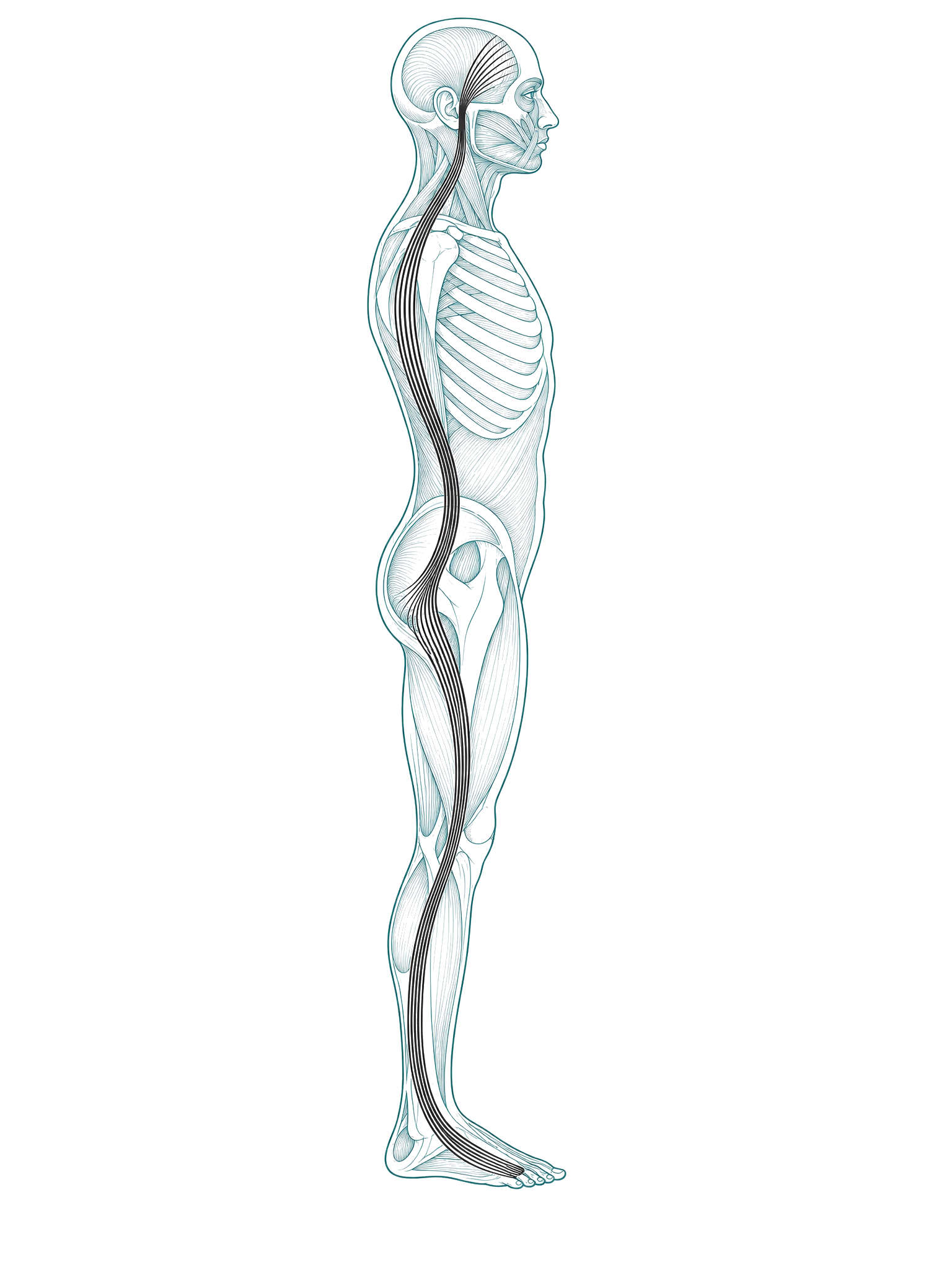 Compare
SI vs Rolfing vs deep tissue
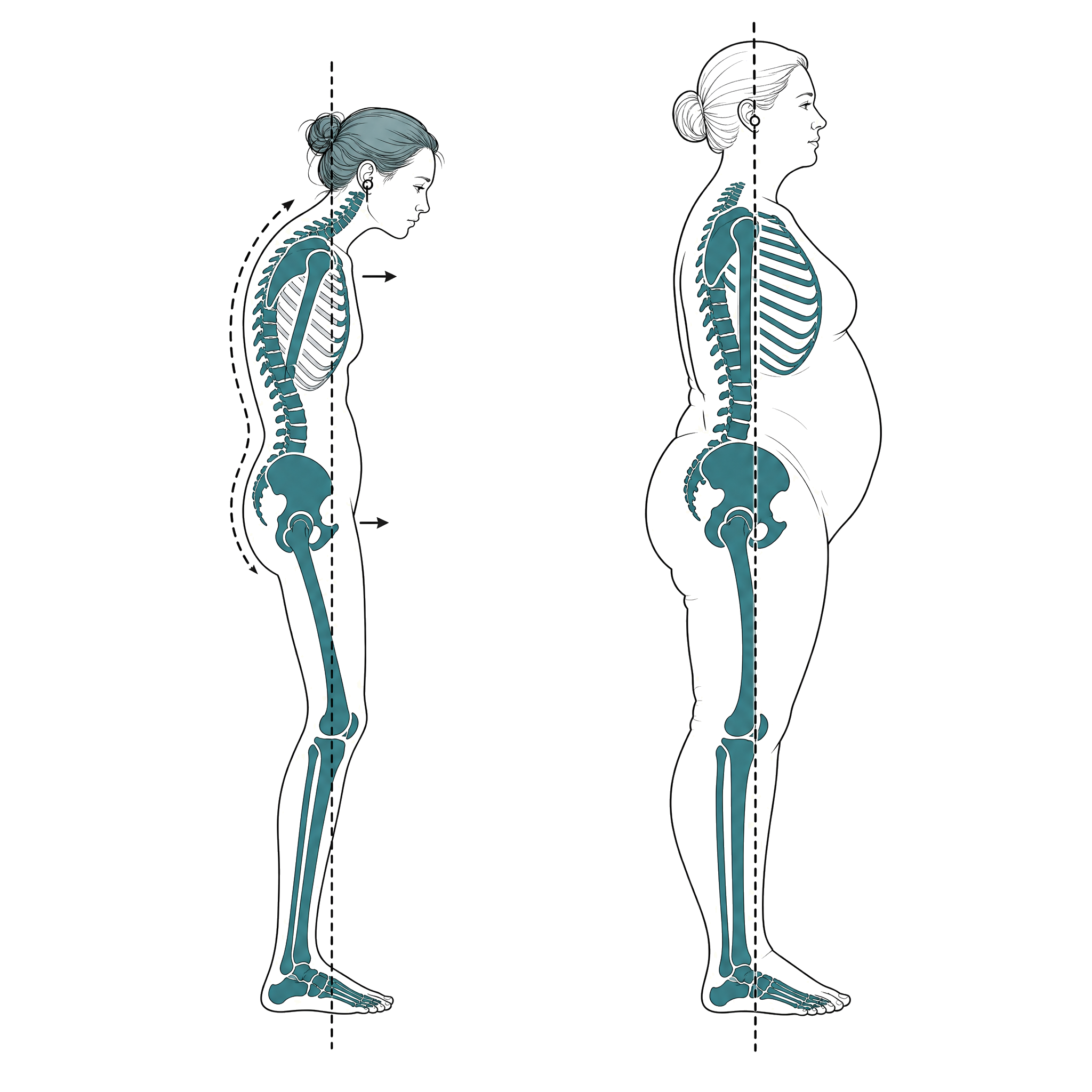 Perimenopause
Perimenopause and body pain
 Structural Integration
The 3 session series
 Fascial Fitness
Training the tissue behind your strength
 Pilates
Pilates after Structural Integration
 Story
StoryThe client who avoided shoulder surgery
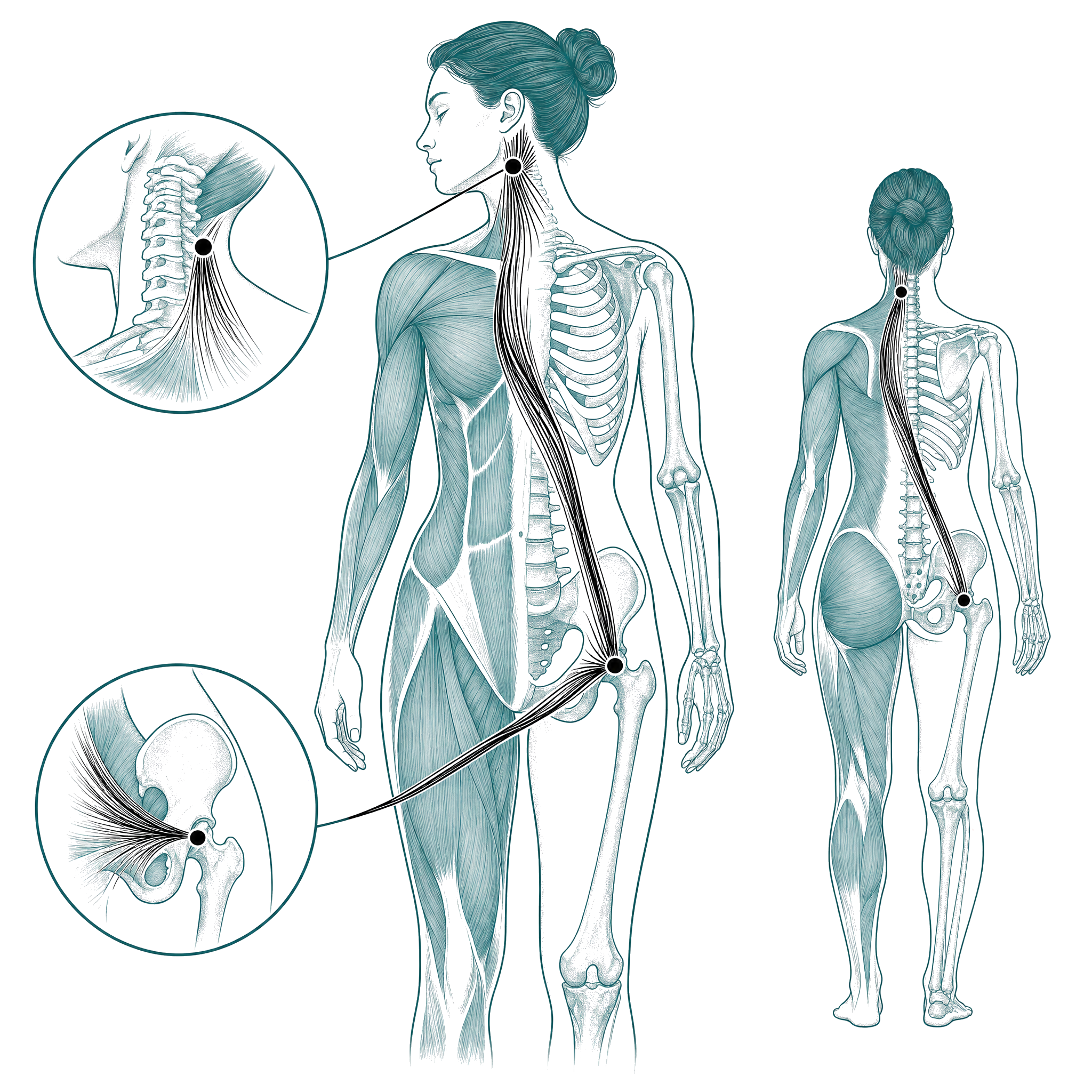 Story
StoryNeck and hip pain in a busy professional
Mia's storyFrom dysmorphia to at home in my skin
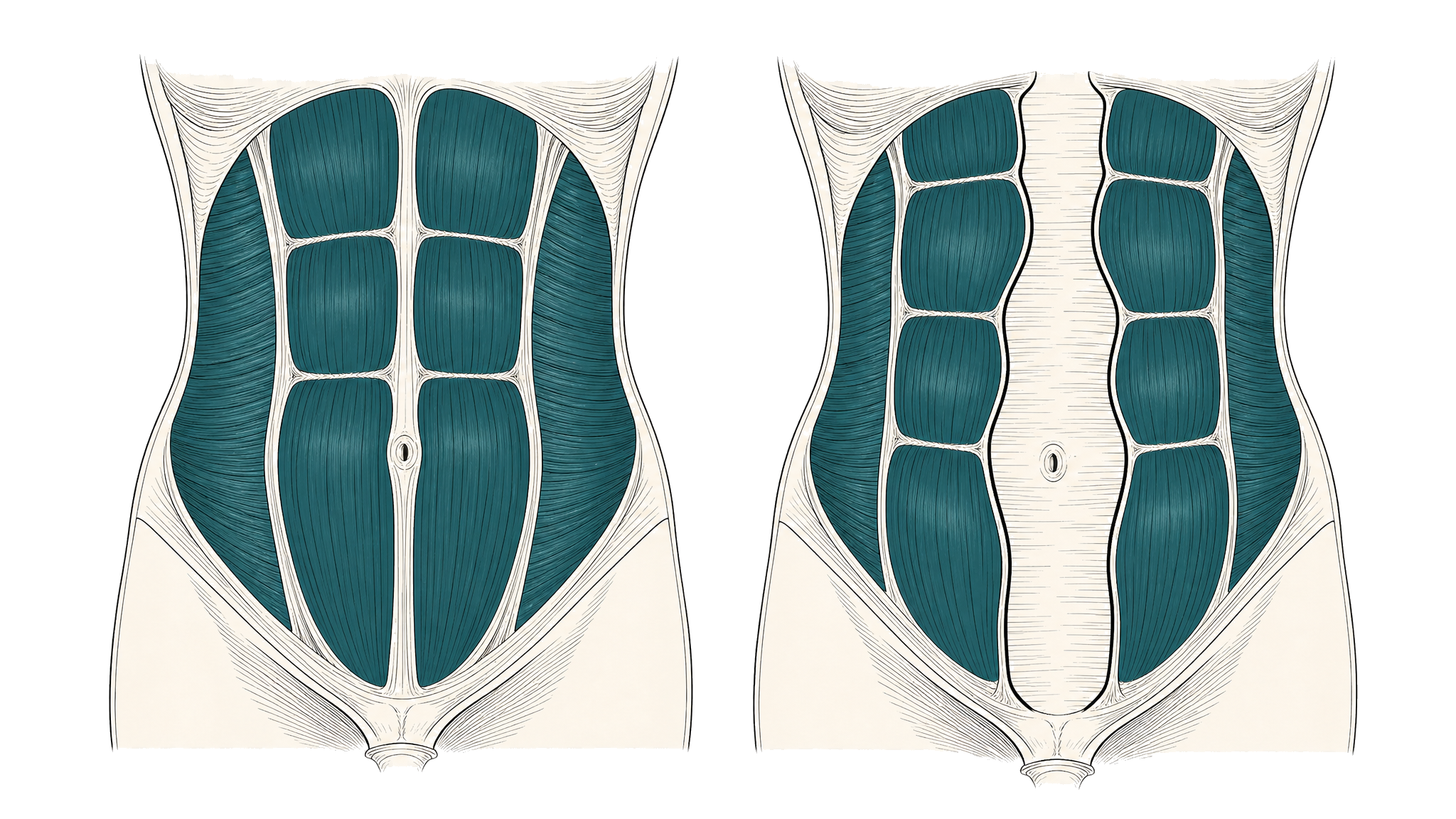 Postpartum
Closing the gap and standing tall again
ApproachHow I find the real cause of your pain
TrustWhat my training means for you
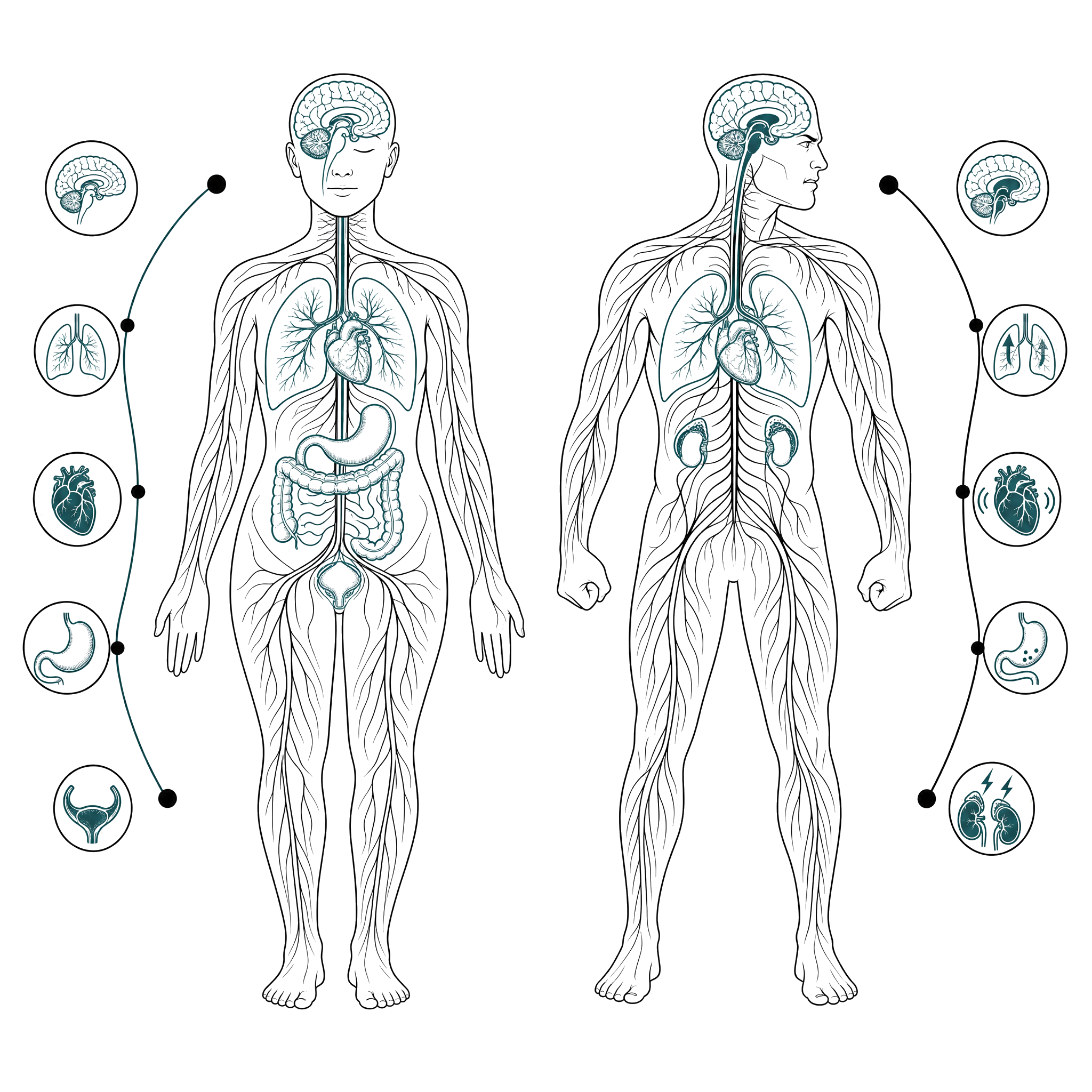 Science
How the body holds a pattern
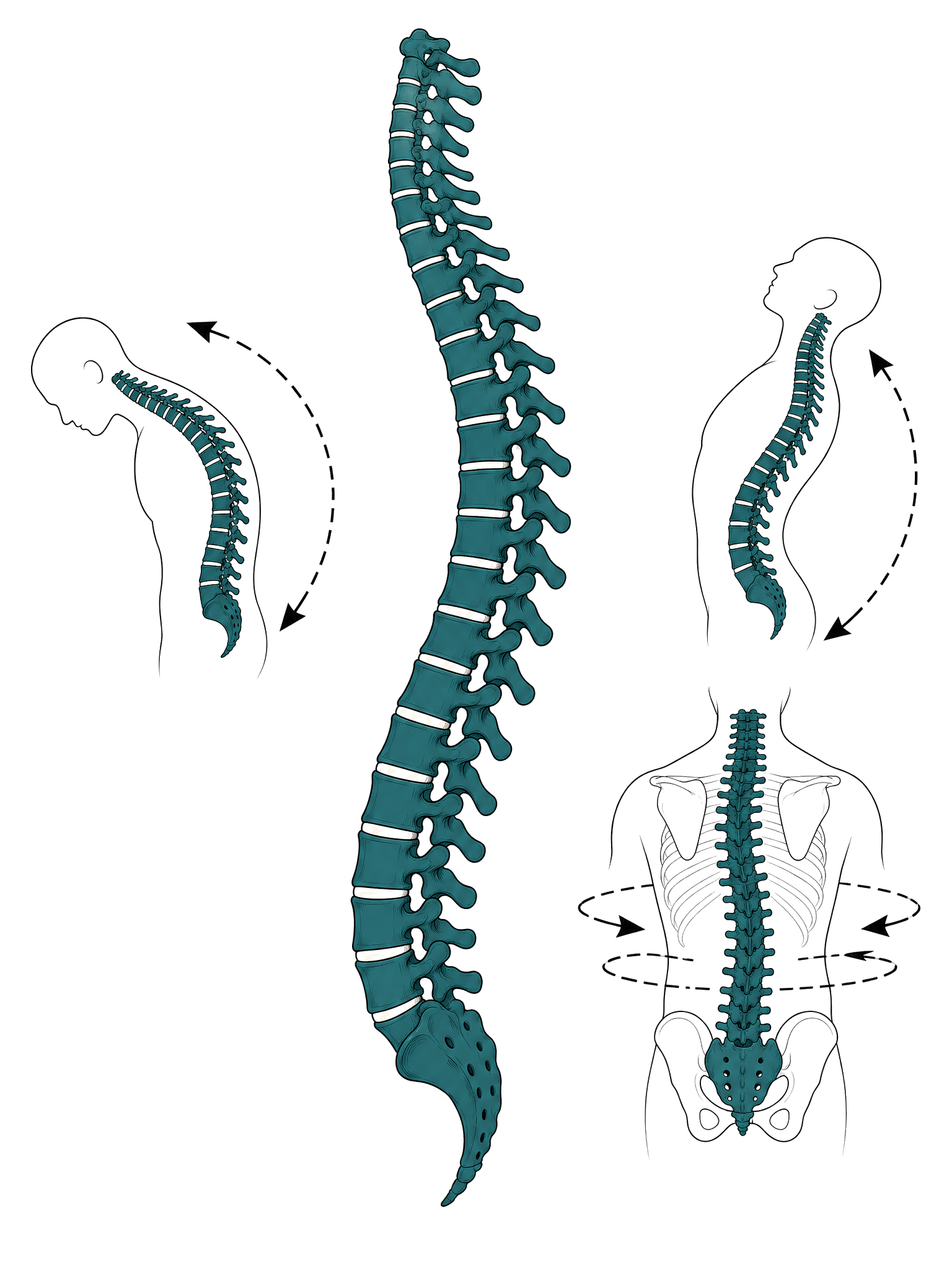 Aging
AgingMobility and balance after 50
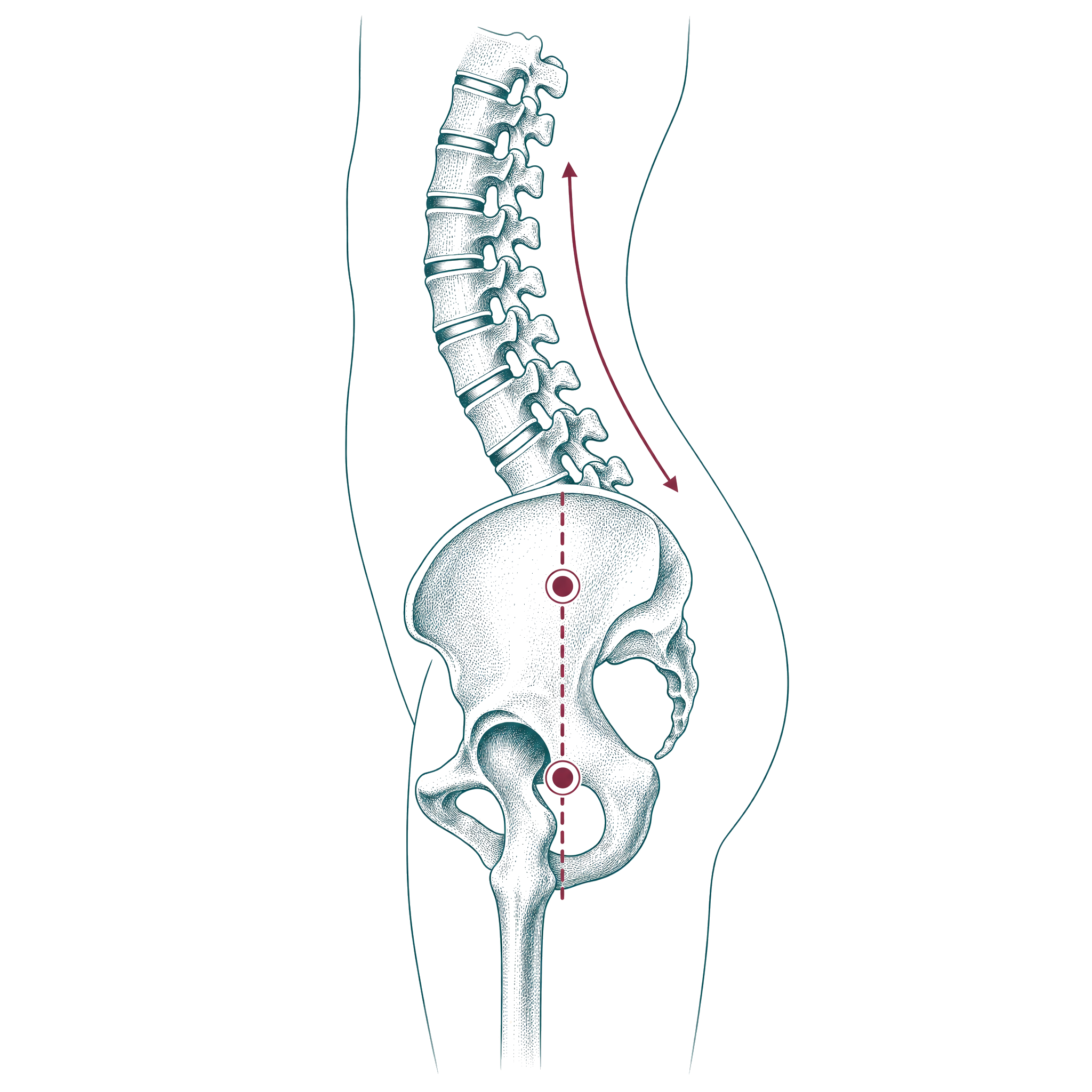 Women's bodywork
Why I focus on women’s bodies
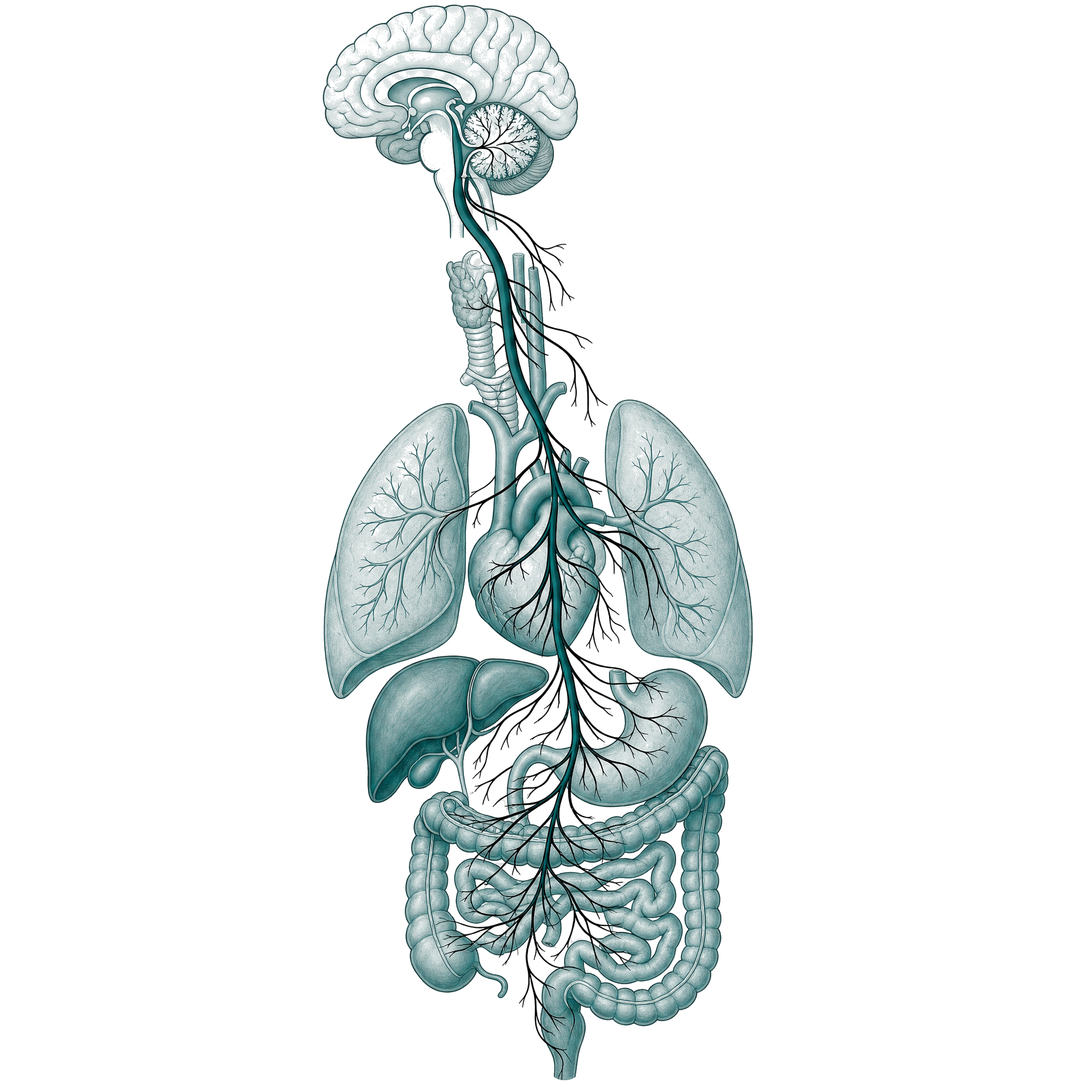 Nervous system
Why feeling safe makes change stick
Understand your own body.
Practical, science backed insight on your body.