Pilates after Structural Integration: why it lasts.
SI changes the floor plan. Pilates teaches you to move into the new room and stay there.
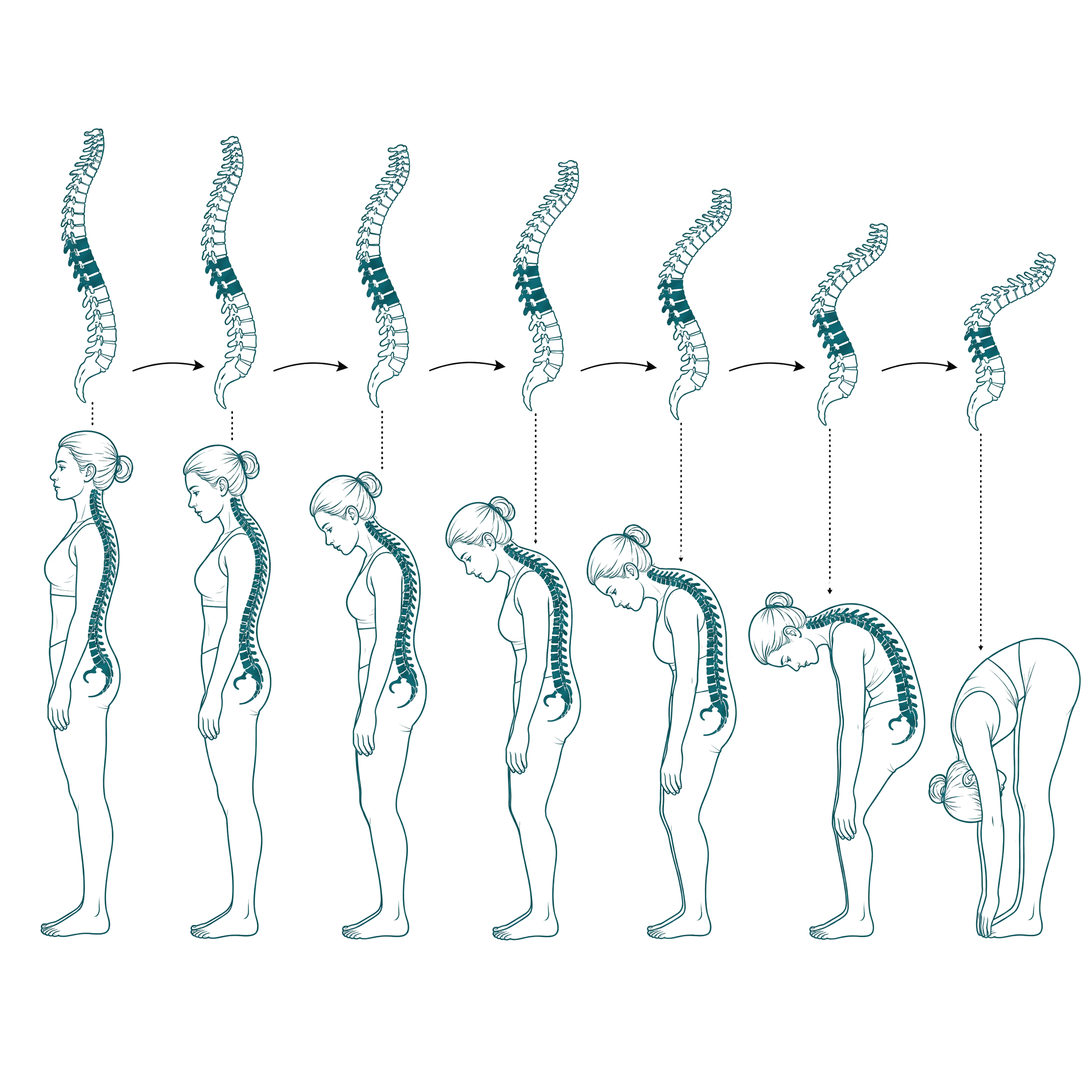
Structural Integration opens up new space in your body. It changes the architecture, gives your spine and joints room they did not have. But a new room does not furnish itself. You have to learn to live in it, and that is where Pilates comes in.
Two halves of one change
SI is the structural change. Pilates is the motor learning that makes it stick. After the fascia lets go, your nervous system needs reps in the new range to call it home. Pilates gives you exactly that, controlled, precise movement through the deep core and the connective tissue that carries you.
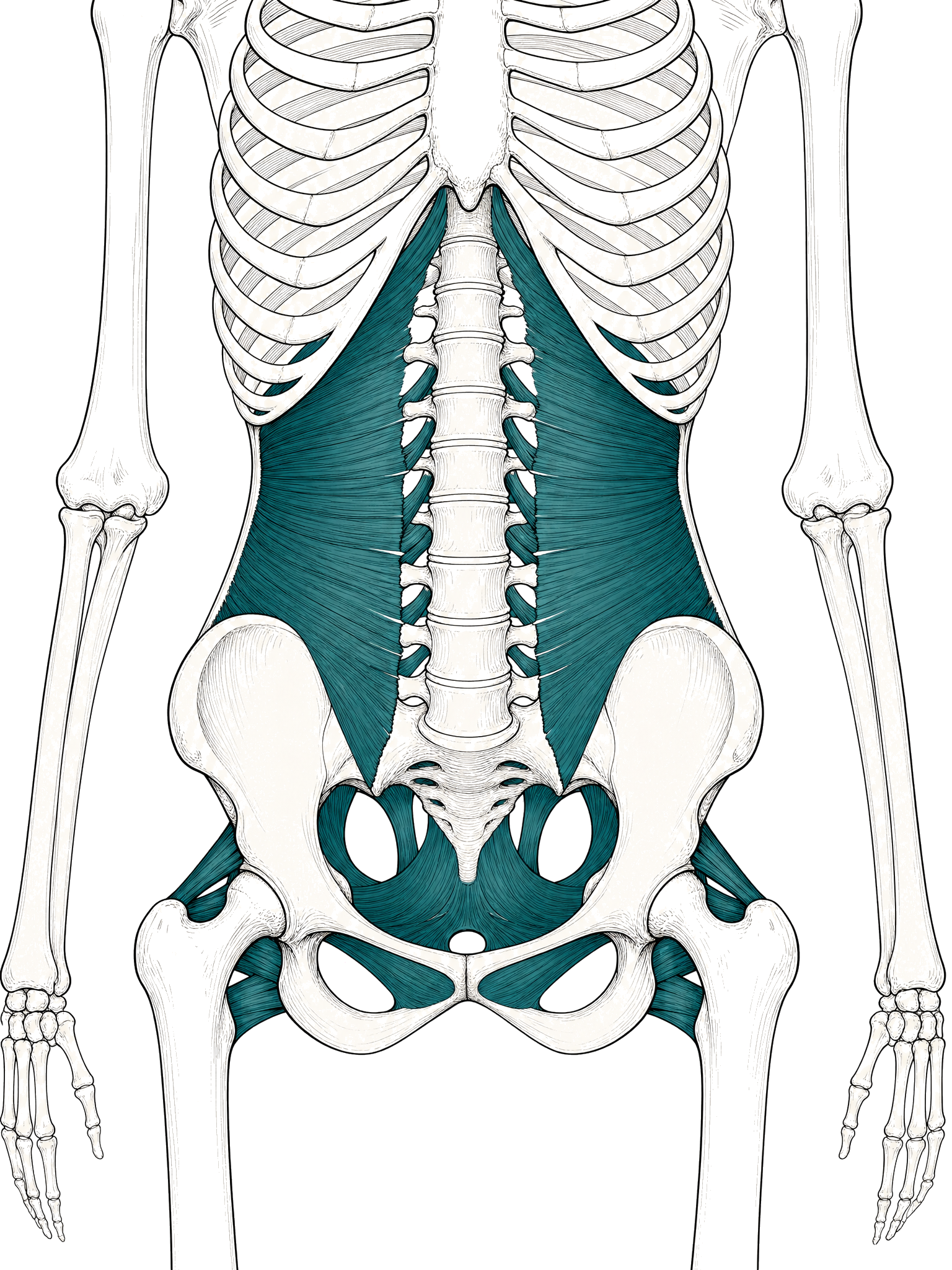
A fascial mind
Most Pilates trains muscles. I teach it with a structural lens on every cue, training the whole system, the deep core and the connective tissue web together. Polestar certified and teaching since 2010, I am less interested in burning you out than in building control you can actually use.
Bodywork changes the structure. Movement teaches your body to keep it.
Together, hands on work and movement make the change durable. One without the other tends to fade.
- SI changes the structure; Pilates trains you to live in it.
- New range needs reps before the nervous system calls it home.
- I teach Pilates with a structural, whole body lens.
- The combination is what makes the change last.
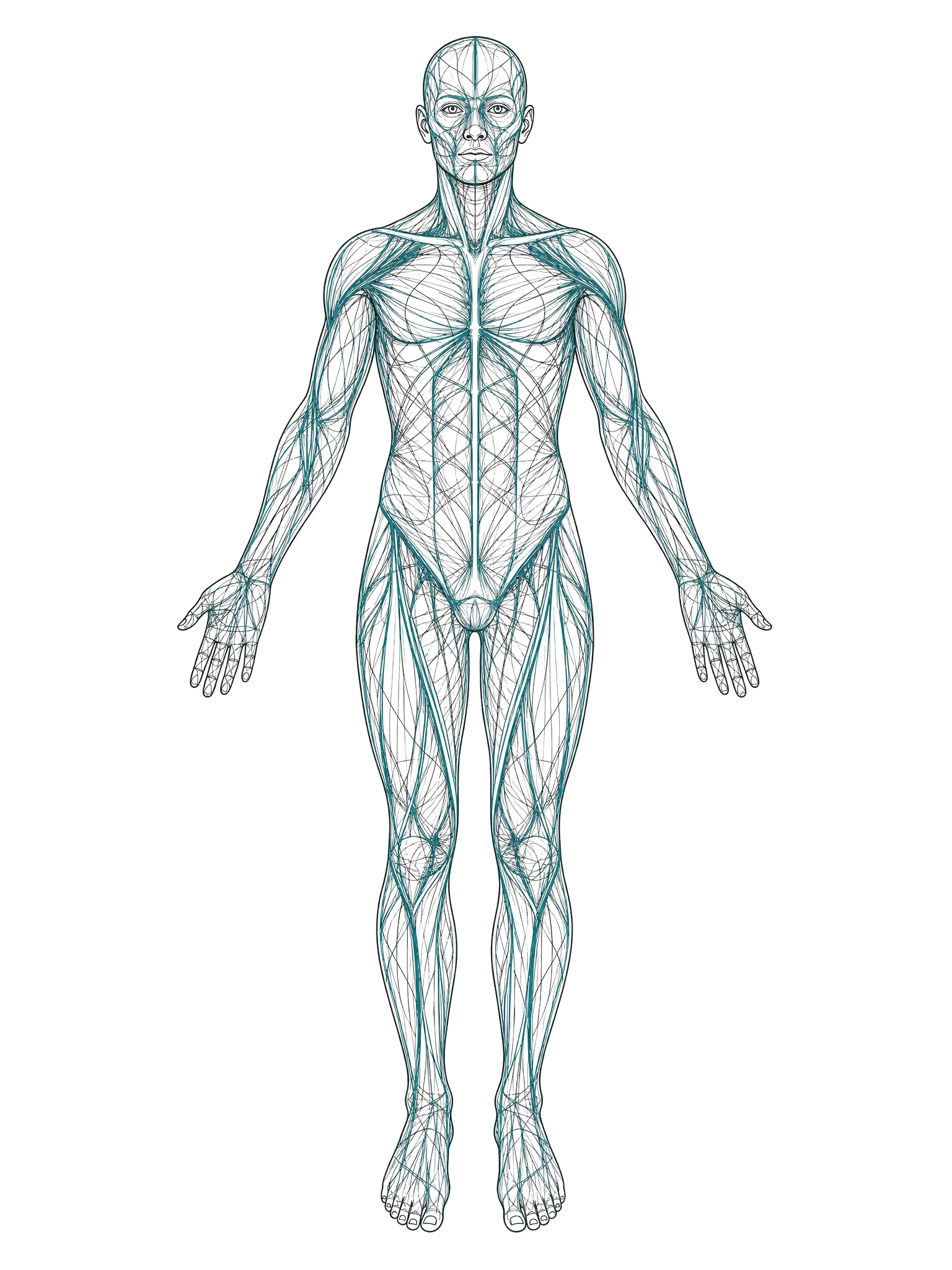 Fascia
What is fascia, and the key to your pain
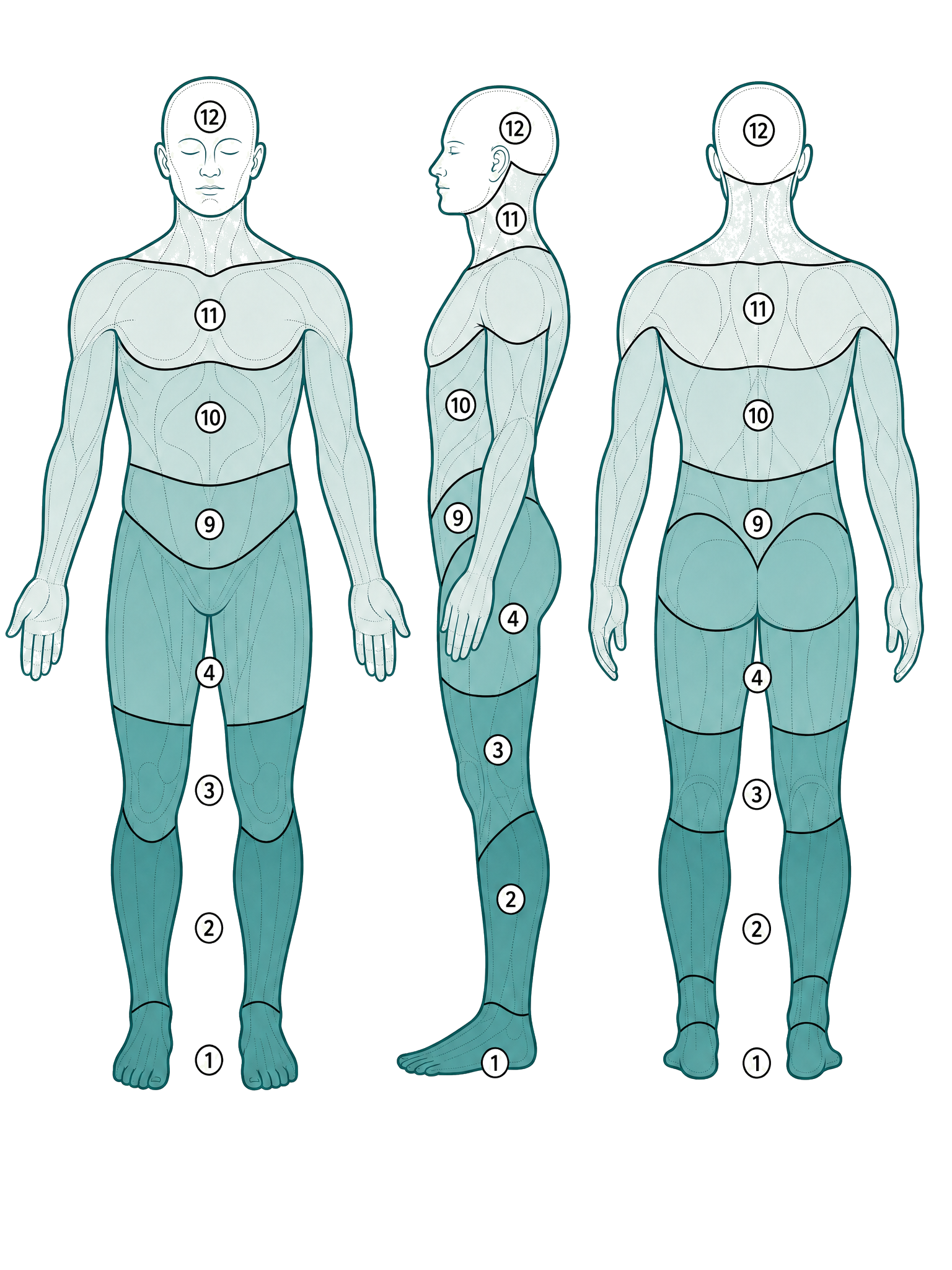 Structural Integration
The 12 session series, explained
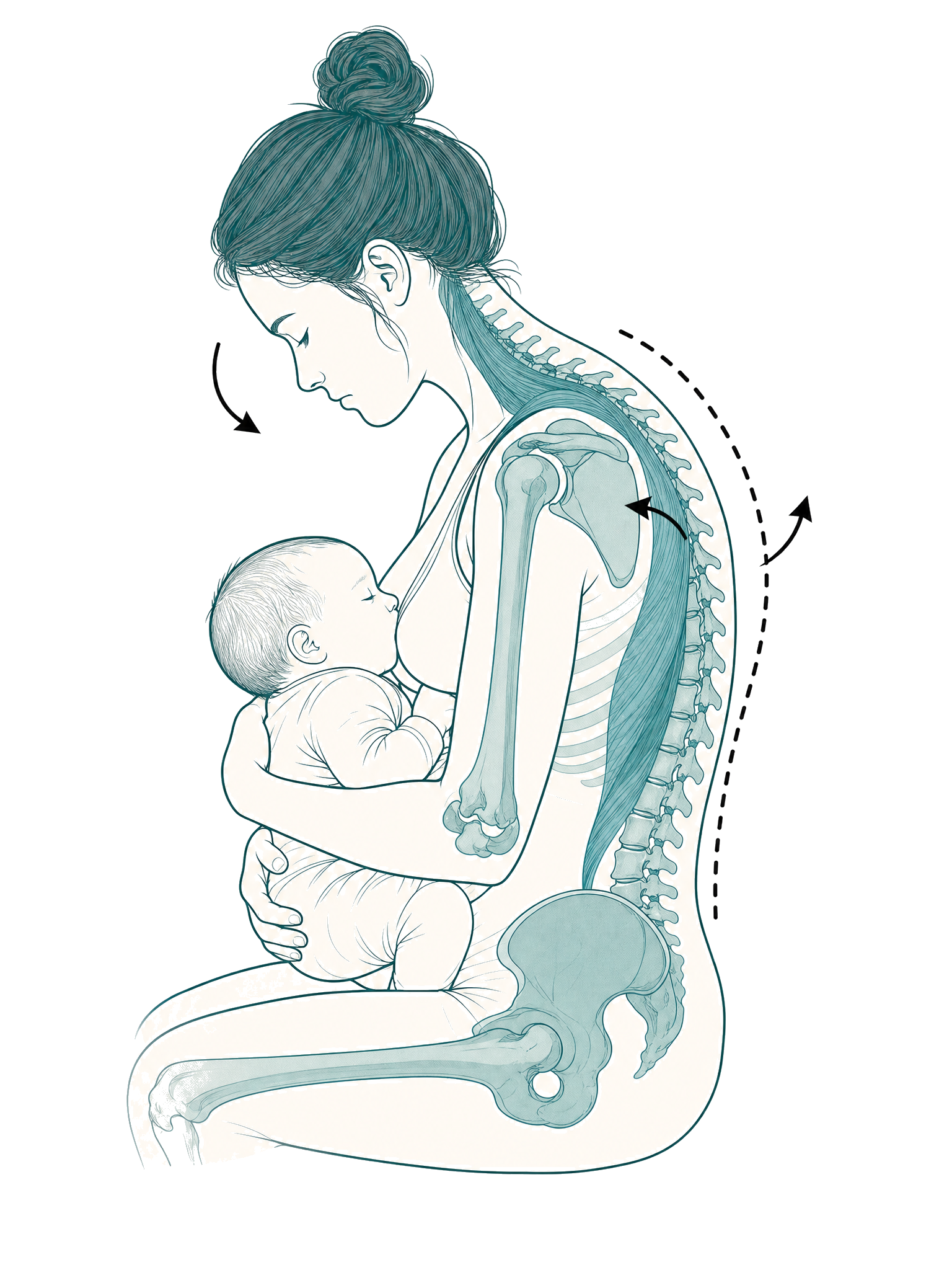 Postpartum
Rebuilding your body after birth
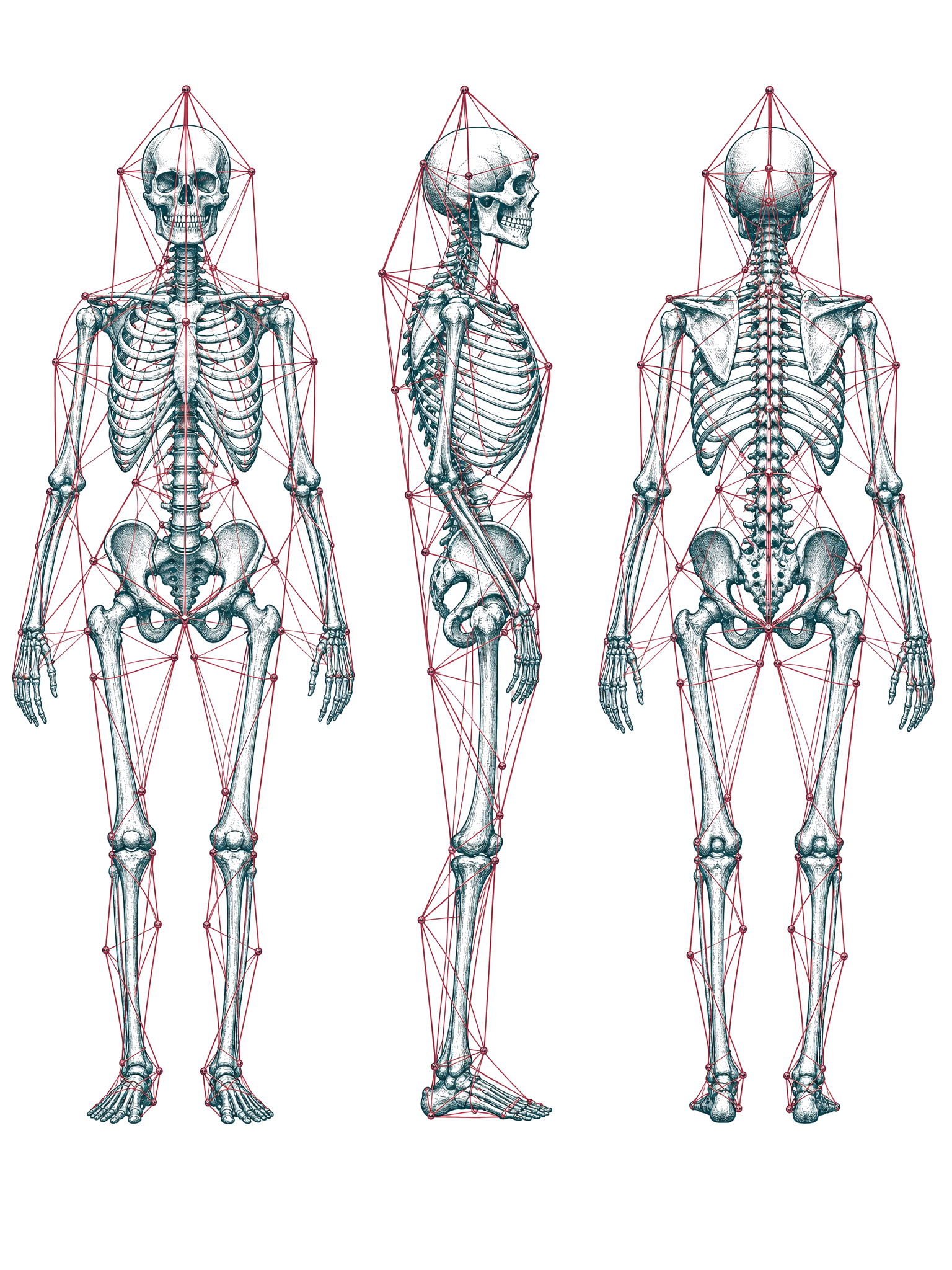 Structural Integration
What is Structural Integration?
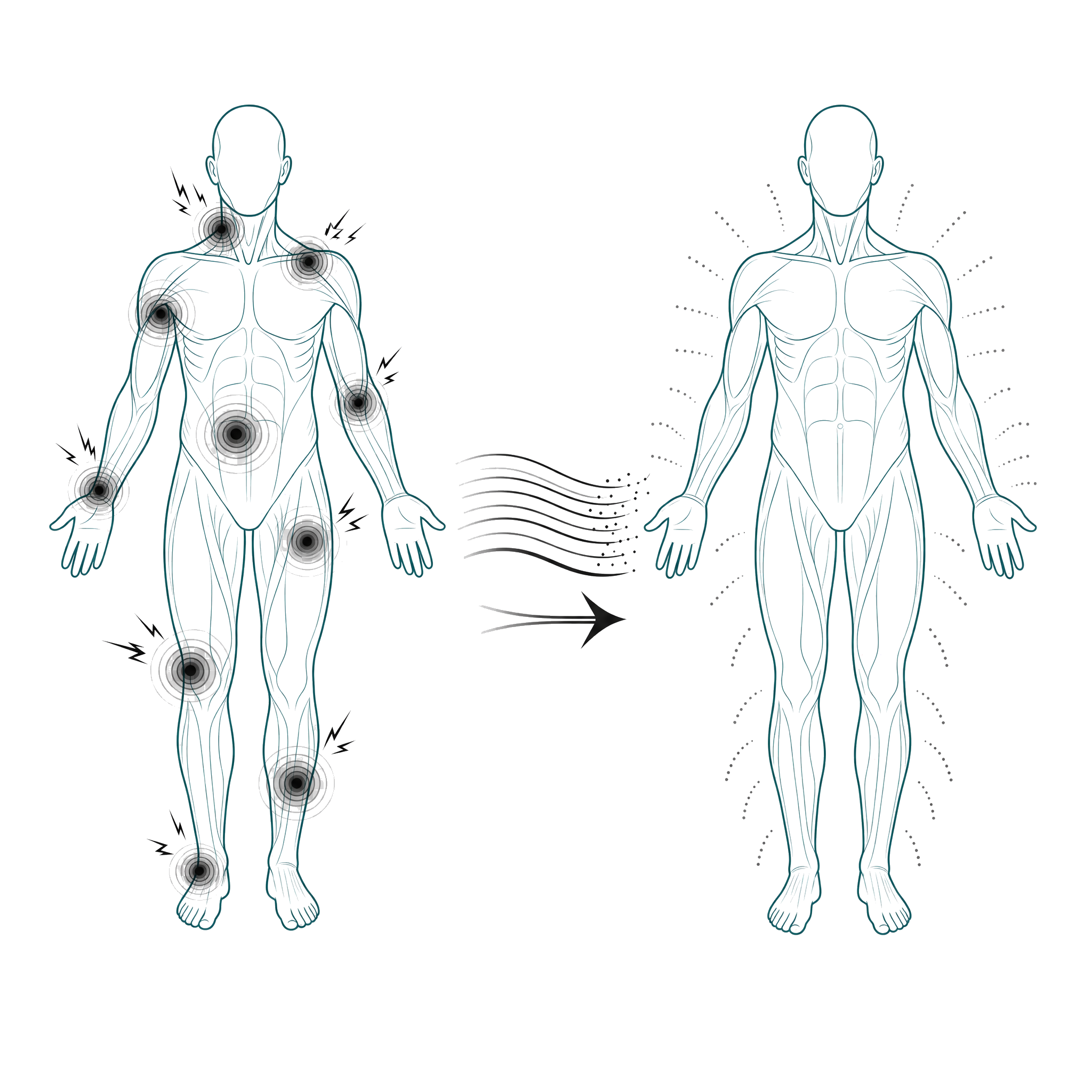 Chronic pain
How to choose a bodyworker
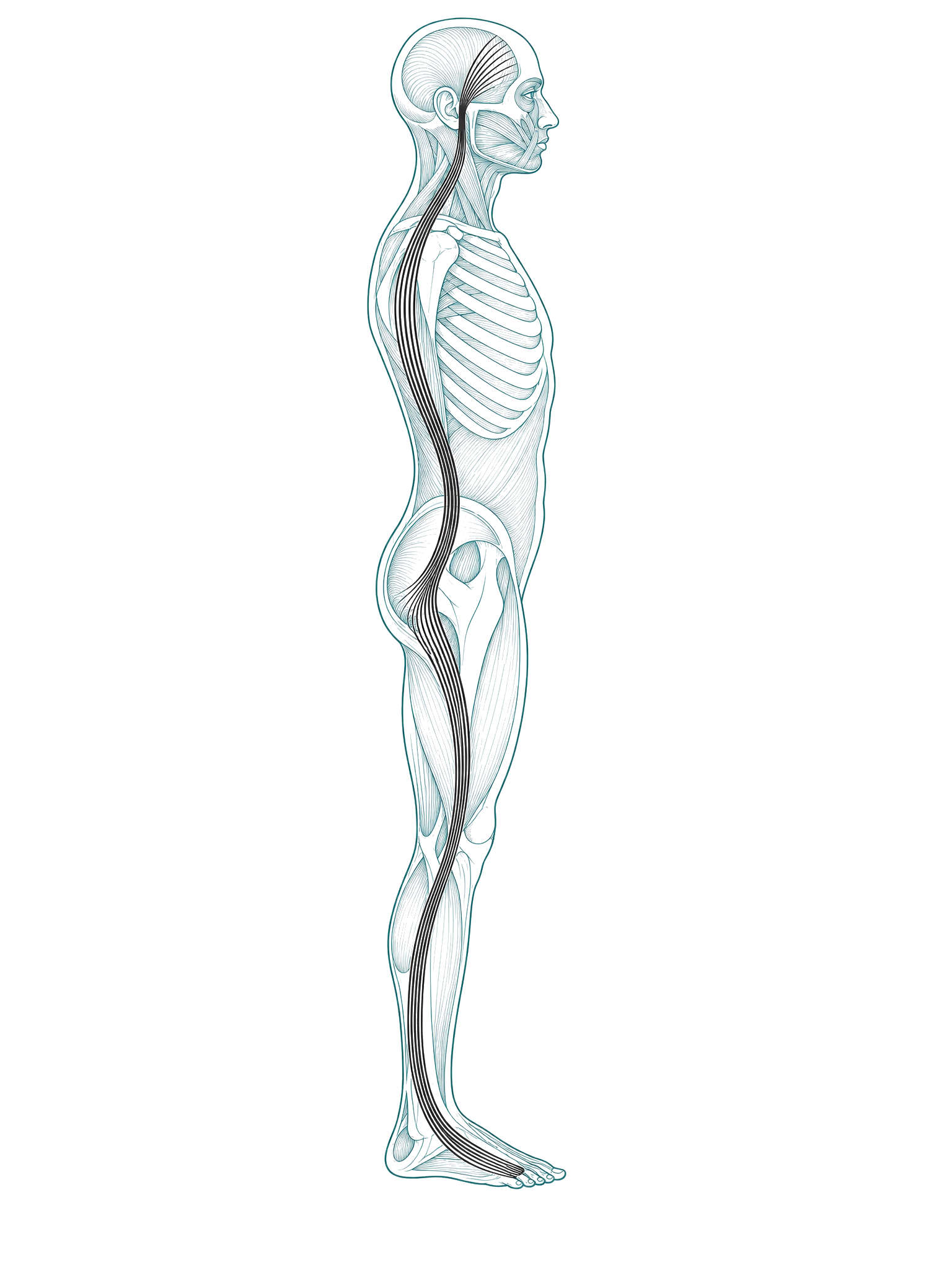 Compare
SI vs Rolfing vs deep tissue
 Perimenopause
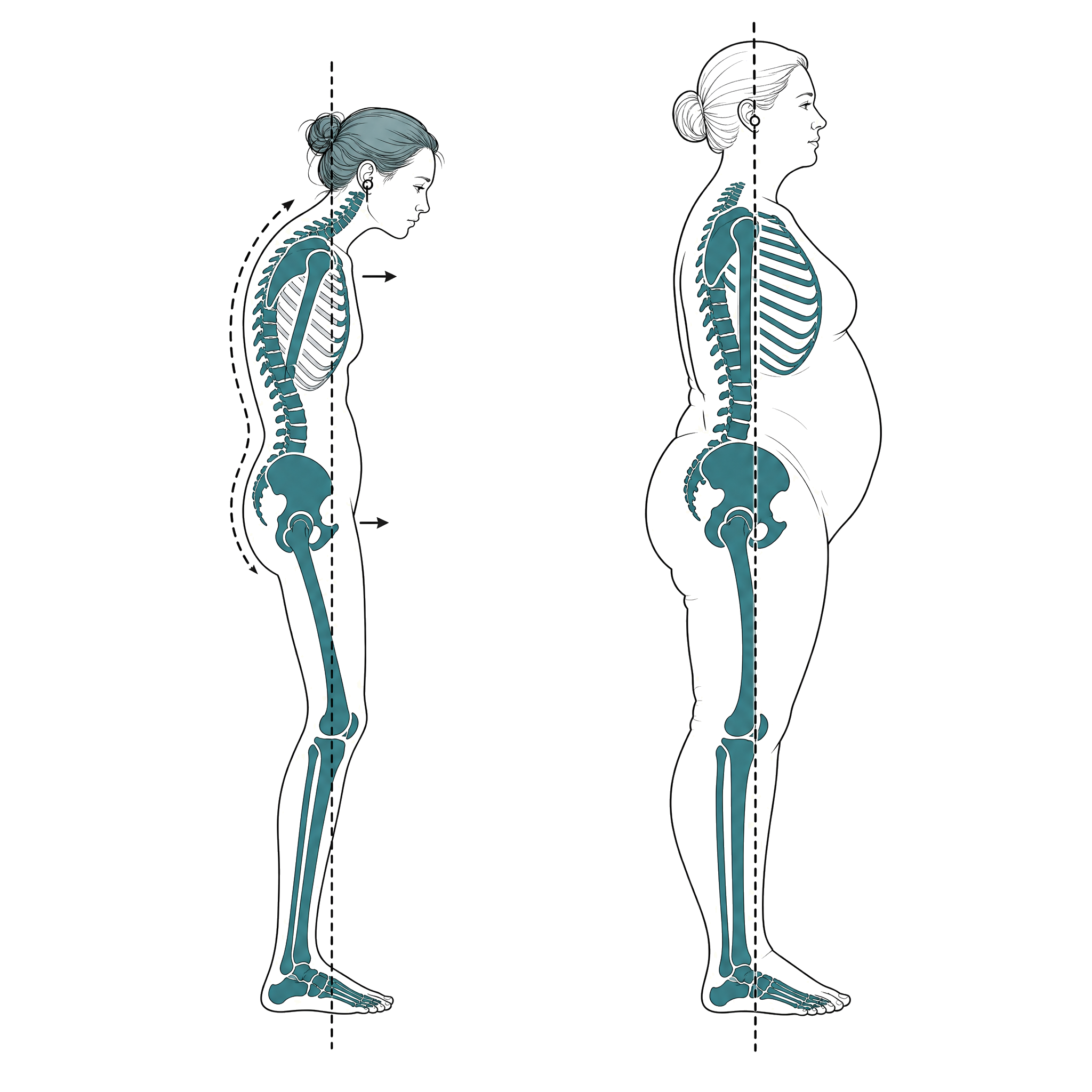
Perimenopause and body pain
 Structural Integration
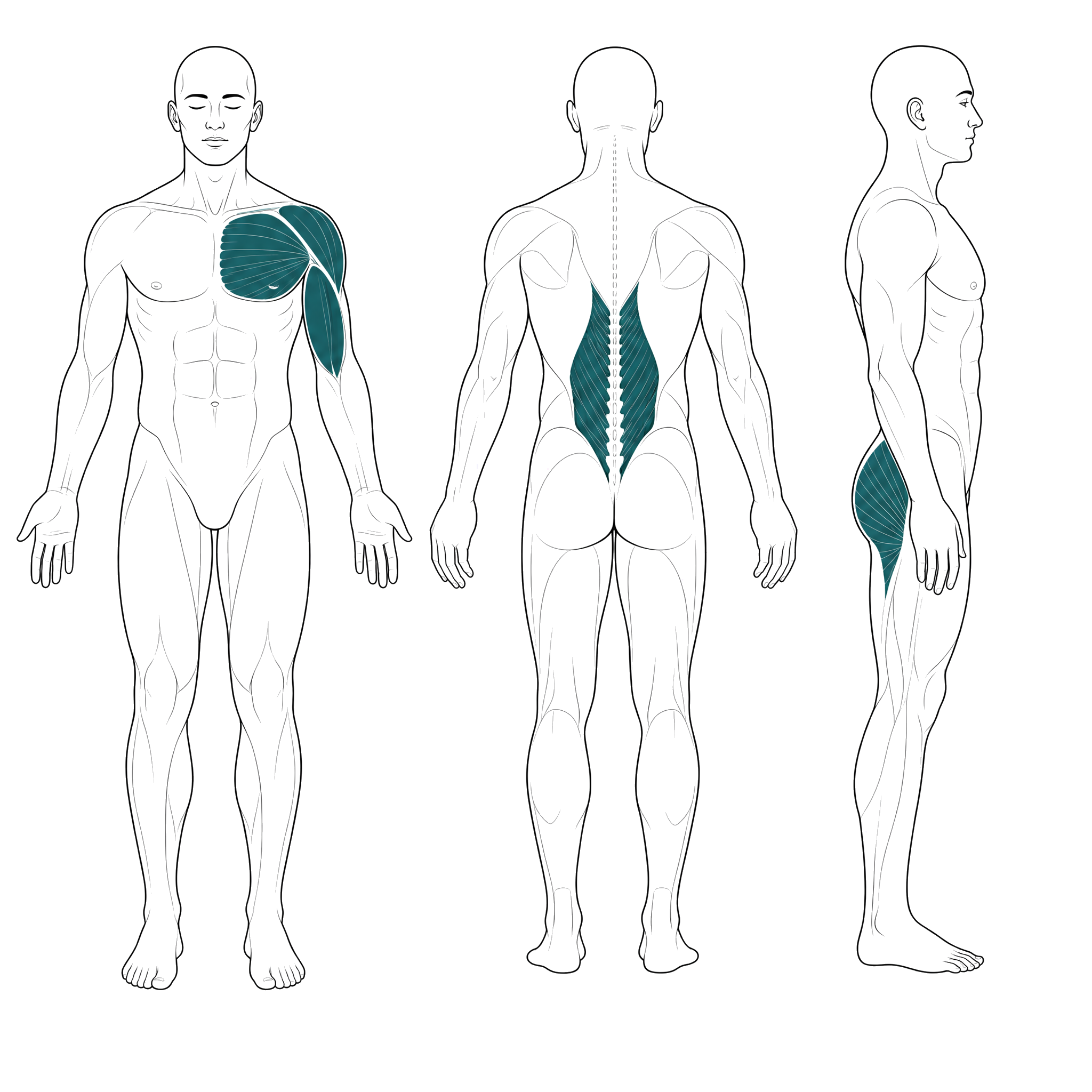
The 3 session series
 Fascial Fitness
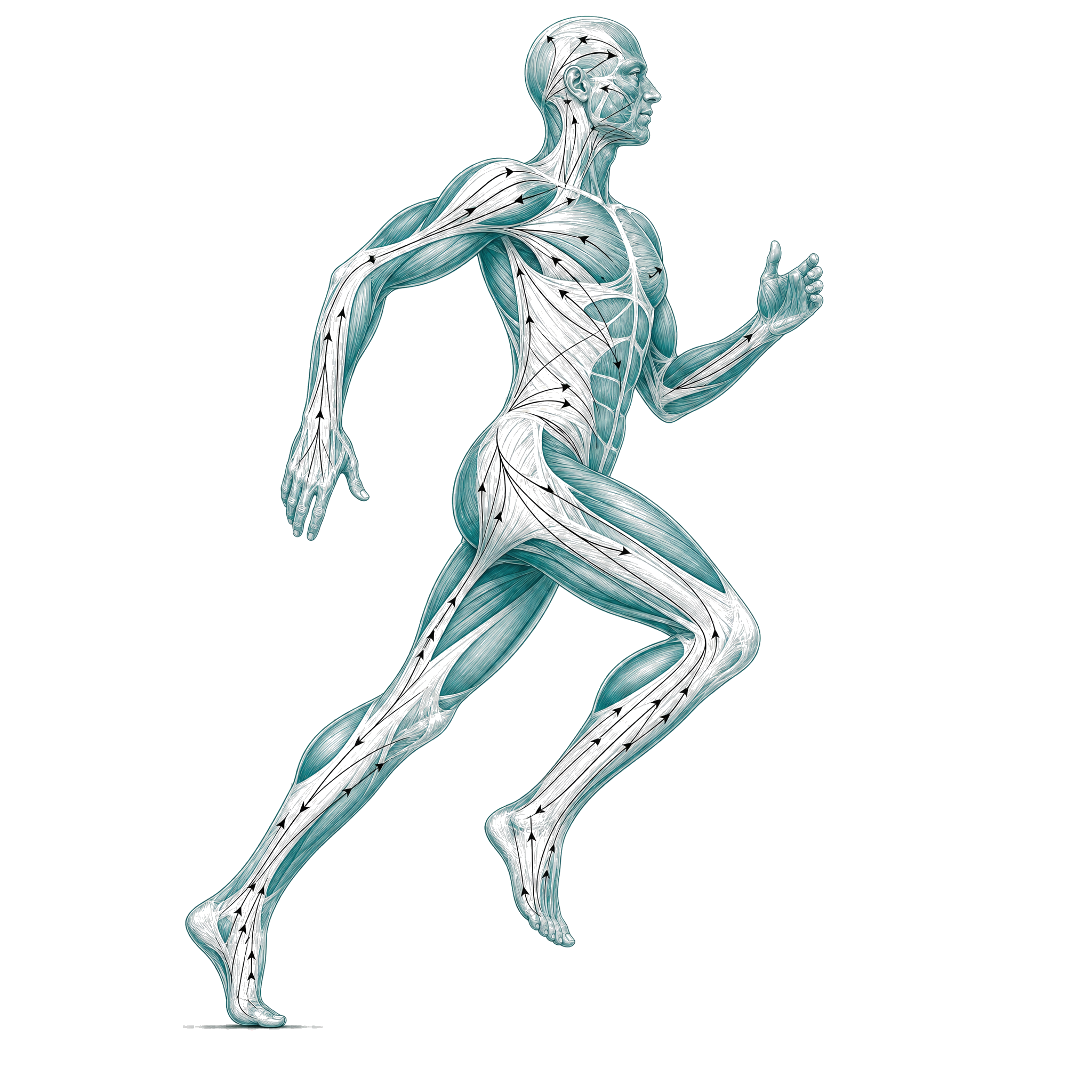
Training the tissue behind your strength
 Story
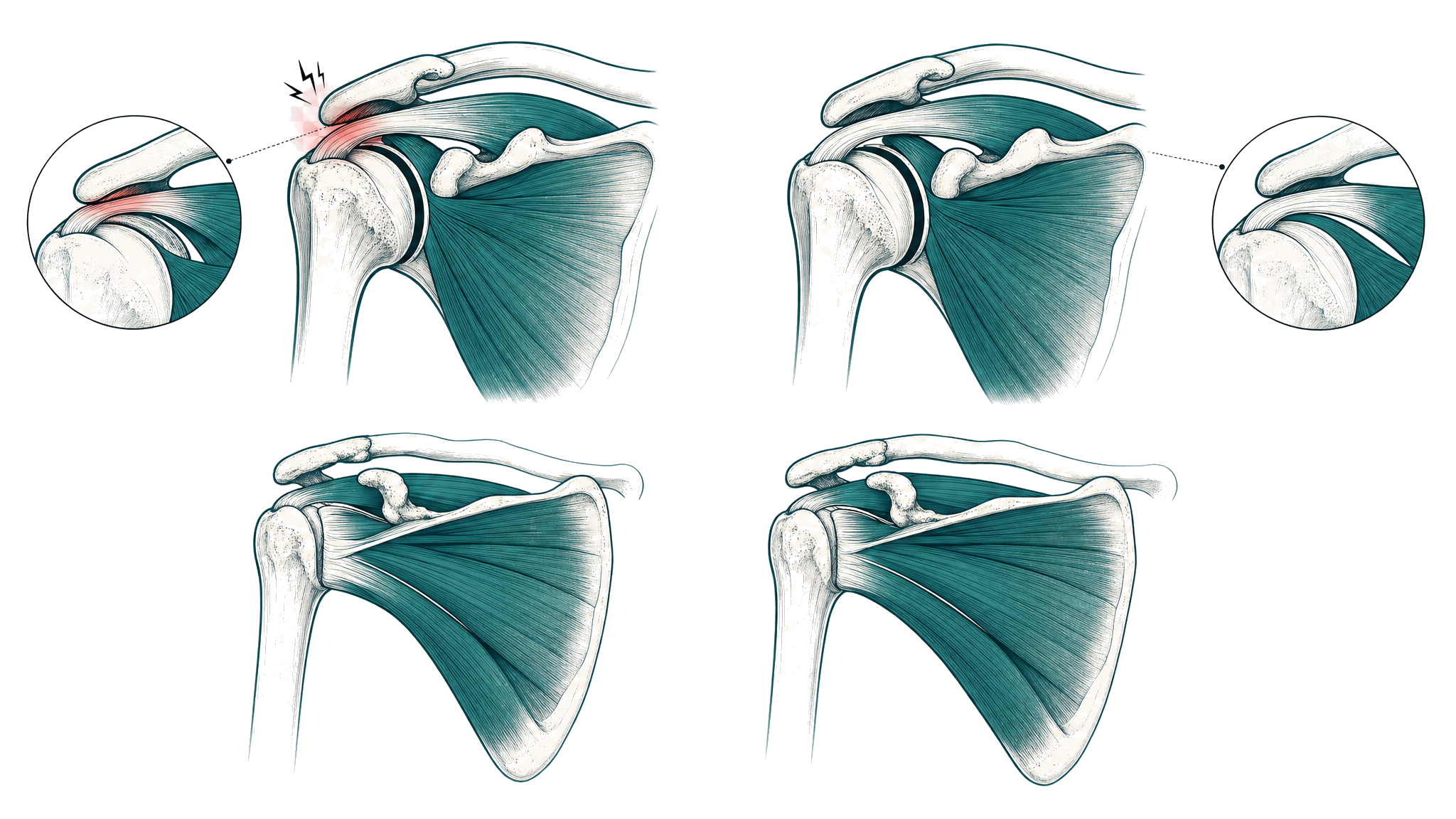
StoryThe client who avoided shoulder surgery
 Story
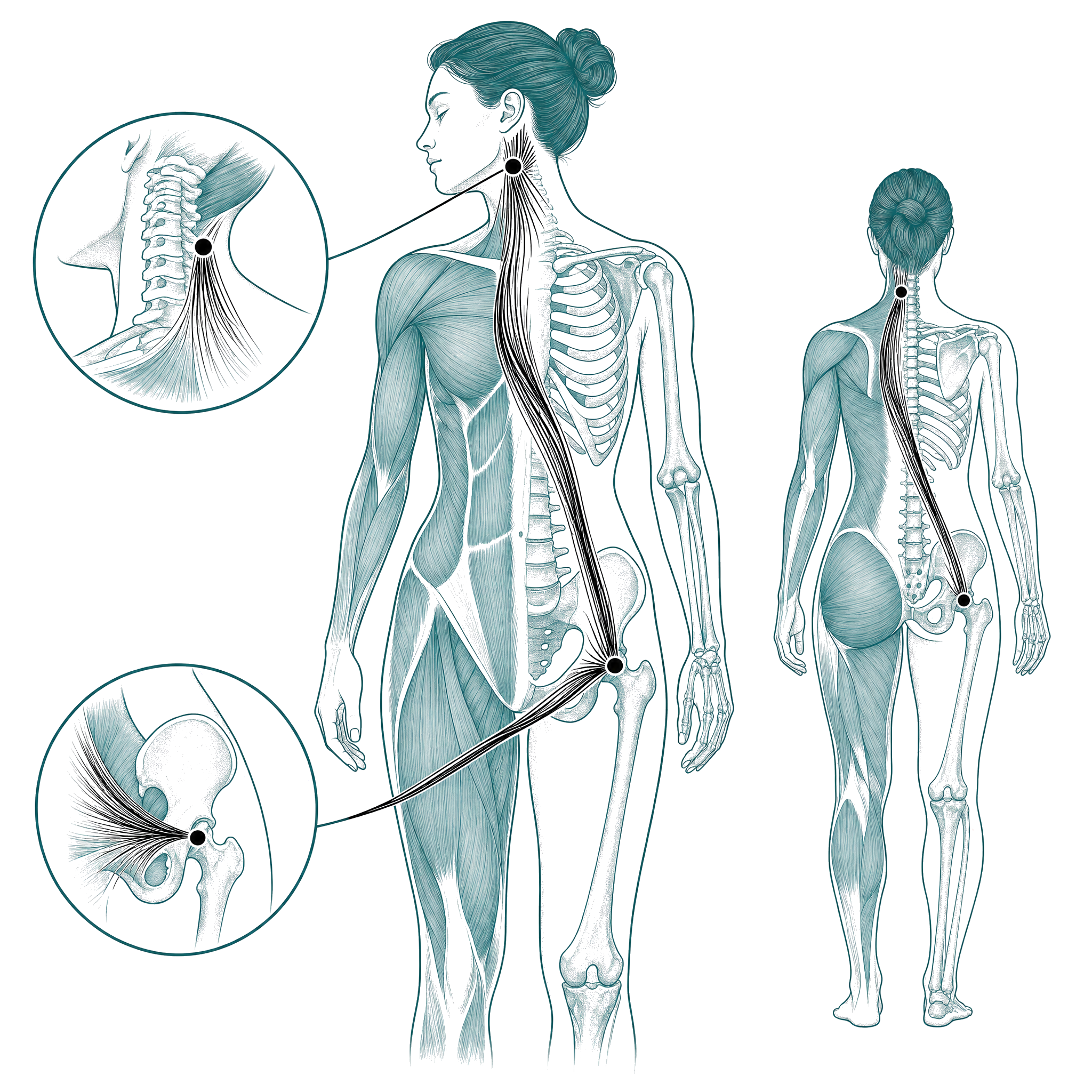
StoryNeck and hip pain in a busy professional
 Mia's story
From dysmorphia to at home in my skin
 Postpartum
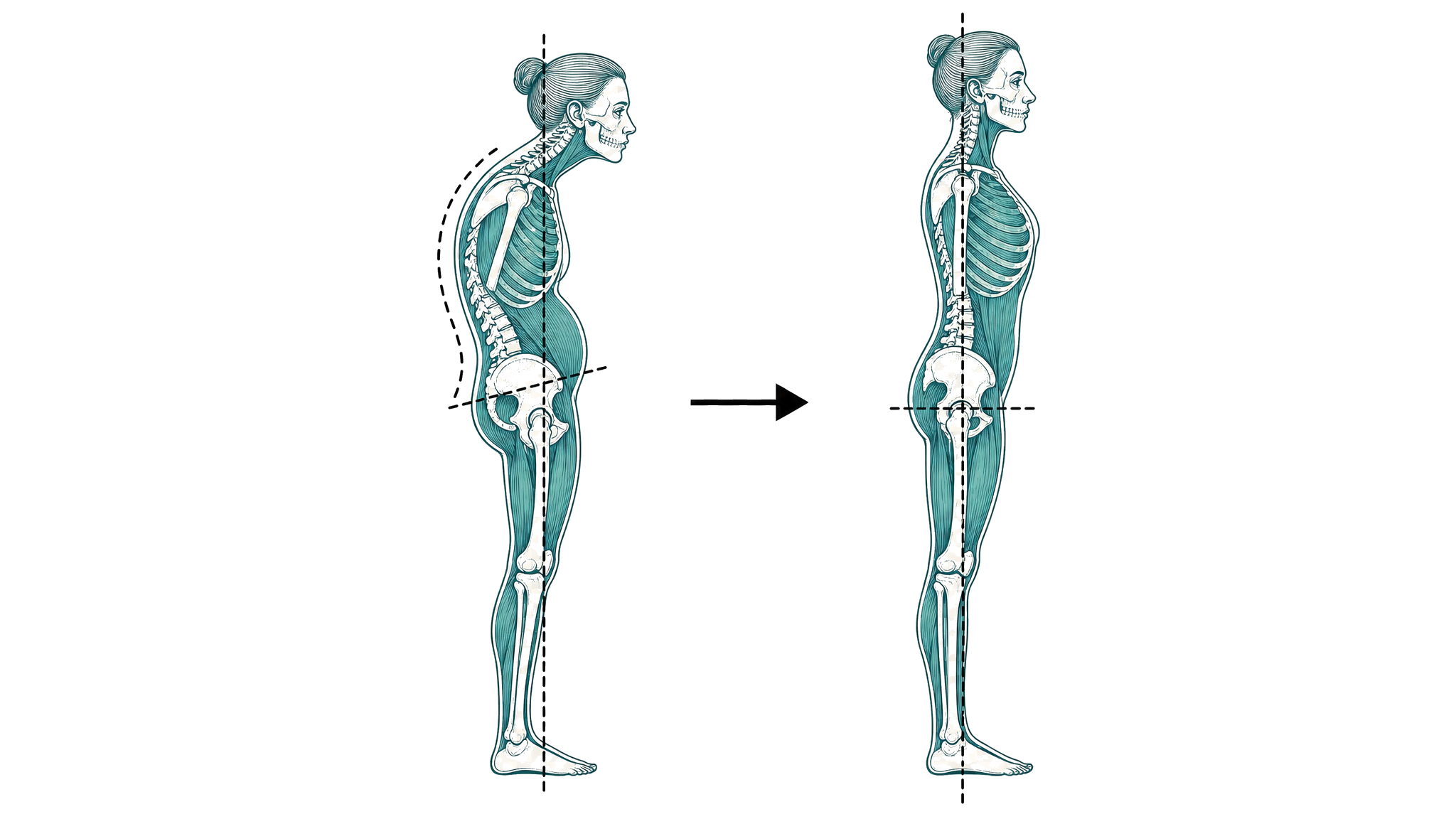
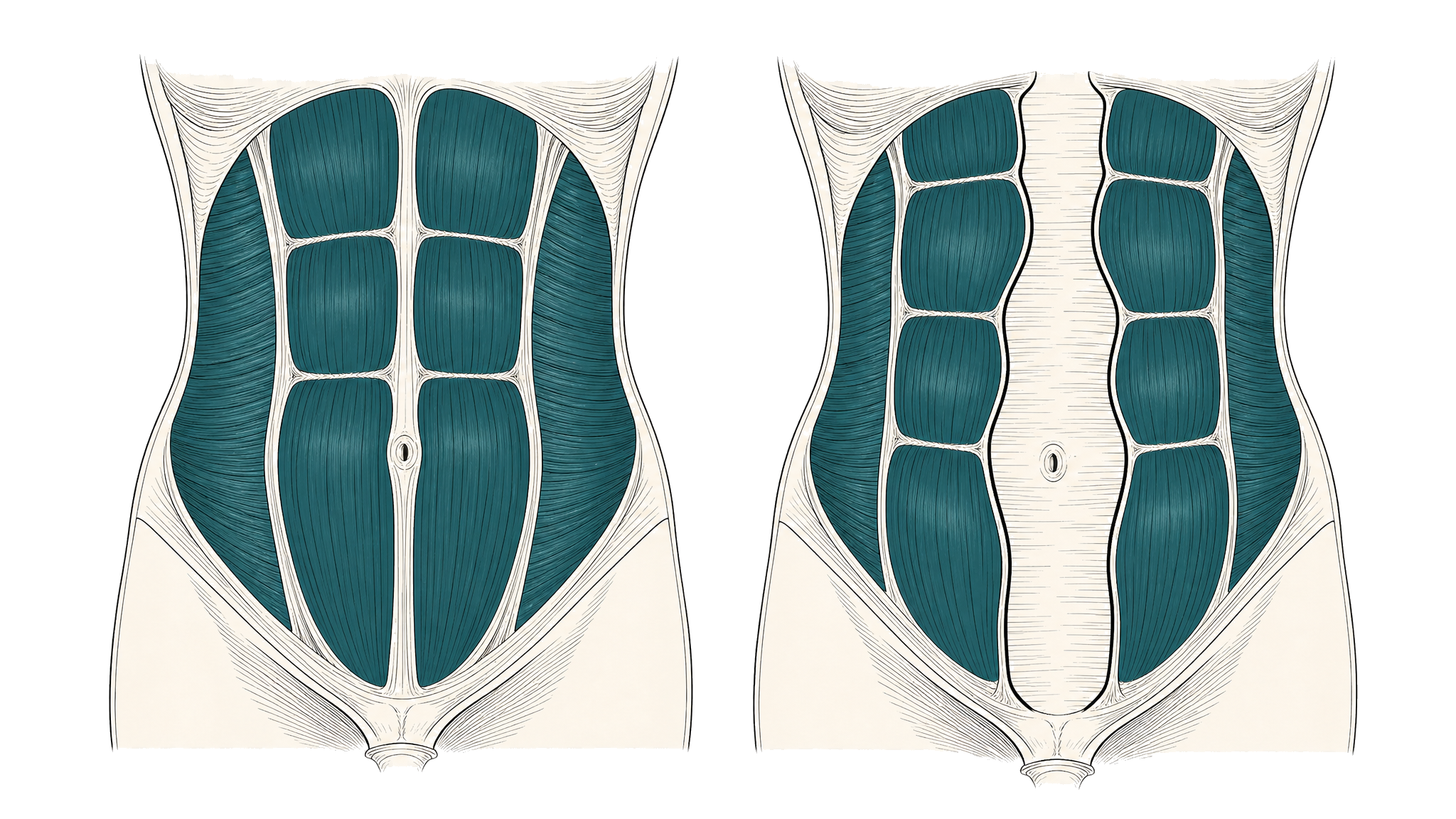
Closing the gap and standing tall again
ApproachHow I find the real cause of your pain
TrustWhat my training means for you
 Science
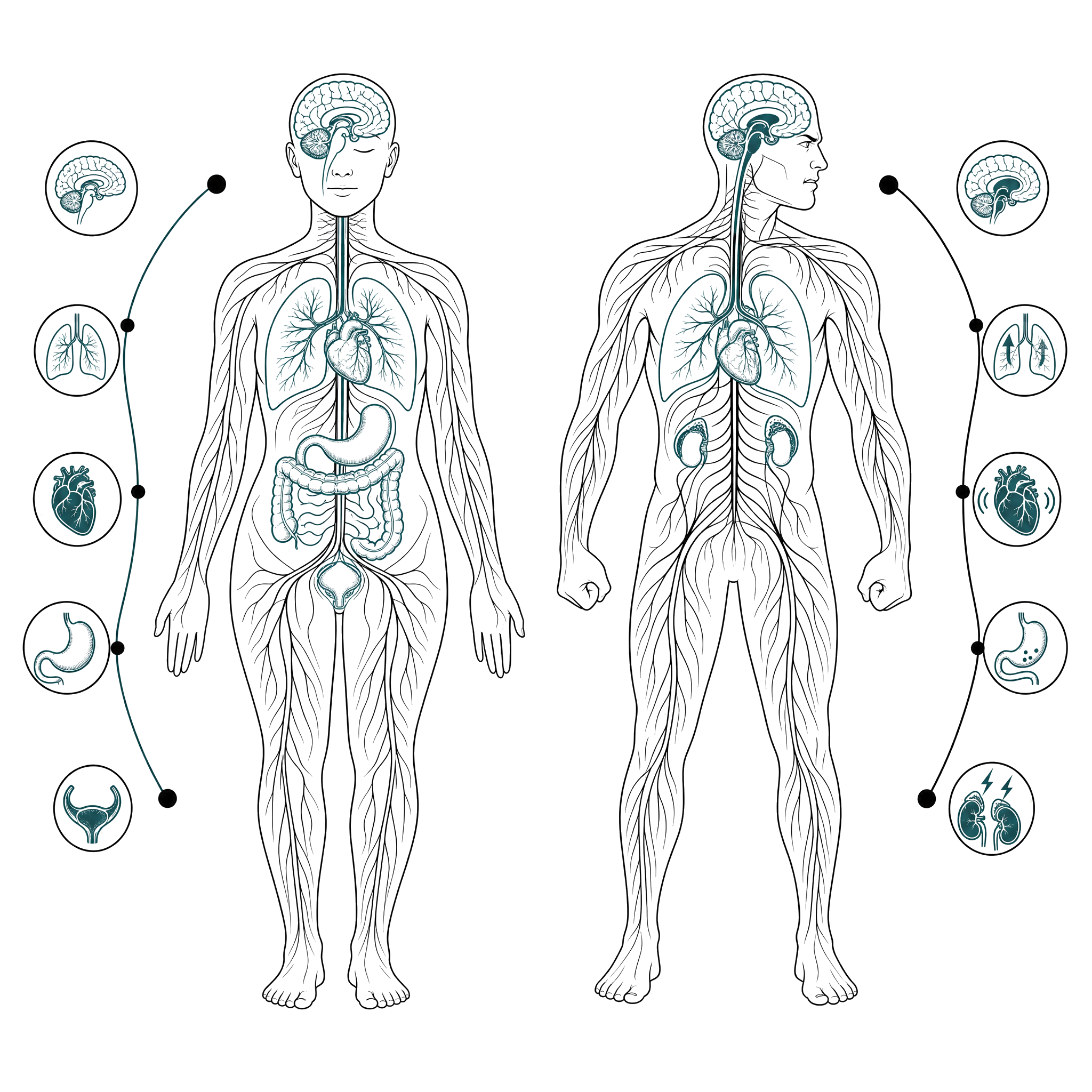
How the body holds a pattern
 Aging
AgingMobility and balance after 50
 Women's bodywork
Why I focus on women’s bodies
 Nervous system
Why feeling safe makes change stick
Understand your own body.
Practical, science backed insight on your body.